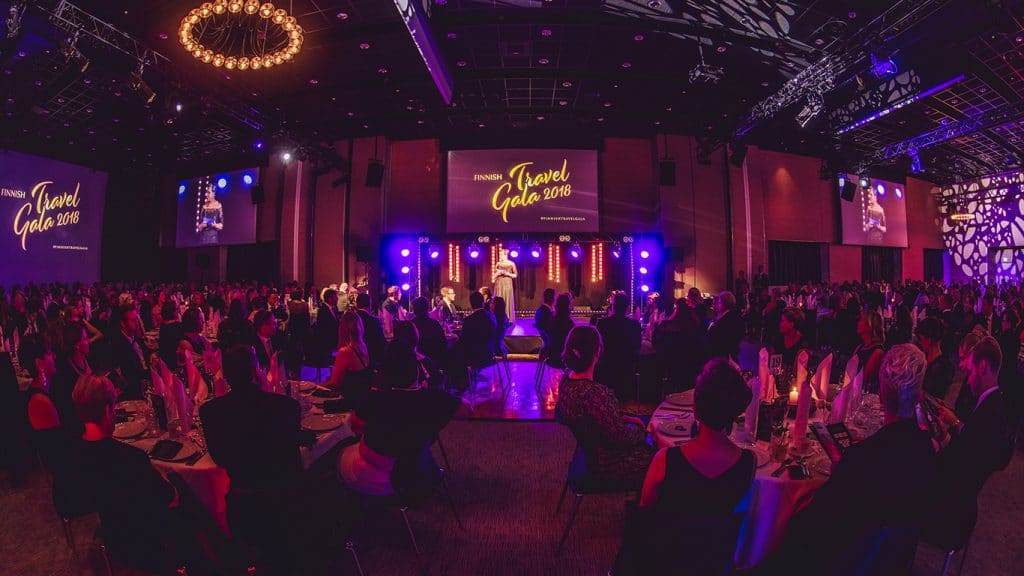
A corporate event failure can cause immediate financial losses, damage a company's reputation, and undermine the trust of staff or customers. The consequences can be short-term or long-term, depending on how seriously the event went wrong and how the situation is handled afterwards. In this article, we will go over the most common causes, consequences, and most importantly, how to avoid failure.
What are the most common reasons for corporate event failure?
A corporate event often fails due to poor planning, unrealistic budgets, or poor communication. Technical problems, missed schedules, and unreliable subcontractors can also be considered significant risk factors. Most failures could be prevented with careful advance preparation.
In practice, the most common problems are related to the following factors:
- Too tight a budget, which forces you to compromise on quality at critical points
- Unclear goal setting, leaving the purpose of the event unclear to the participants
- Insufficient technical preparation, such as failure to test sound or lighting systems
- Weak participant management, for example overbooking or inadequate signage
- Communication interruptions between organizers, subcontractors and performers
- Lack of contingency plans in case of weather, technical problems or cancellations
In event production, even small details can add up to big problems if not addressed in a timely manner. Especially in large events with many moving parts, the importance of coordination is emphasized.
What are the immediate consequences of a failed event for the company?
The immediate consequences of a failed business event are financial, operational and interpersonal. Lost investments, frustrated staff and disappointed customers or partners are the most typical immediate consequences. These effects are felt immediately after the event.
Financial loss is often the most tangible consequence. Venue rentals, technology, catering and performers have been paid for regardless of whether the event was successful. If the event was interrupted or had to be canceled, additional costs may also arise from refunds and rescheduling.
Staff motivation suffers especially when the event was aimed at employees, such as a Christmas party or team building event. Disappointment can be reflected in job satisfaction and employer image. In customer events, a similar failure can lead to a cooling of customer relations or even lost contracts.
How does the failure of an event affect a company's brand in the long term?
In the long run, a failed event can damage a company's reputation with both customers and potential employees. Public events or events with a large number of participants, in particular, can receive negative visibility on social media. The more poorly the situation is handled afterwards, the more serious the brand damage.
A company's events are part of its brand communication. They communicate how the company values its stakeholders and what it is like as a partner. When an event goes wrong and a negative image spreads, it can call into question the company's professionalism more broadly.
From a recruiting perspective, failed HR events can affect the employer image. Current employees share their experiences in their networks, and negative stories spread effectively. The most lasting brand damage usually occurs when a company fails to take responsibility for what happened or fails to correct the situation.
How can the failure of a business event be prevented in advance?
The risks of a corporate event can be minimized with careful planning, clear division of responsibilities and realistic budgeting. Making contingency plans in advance is a key part of professional event organization. An experienced event agency knows the most typical pitfalls and can anticipate them.
Planning and preparation
It is a good idea to define the objectives of the event in writing before contacting any subcontractors. A clear brief will reduce misunderstandings and ensure that all parties are working towards the same goal. It is a good idea to build flexibility into your schedules, as last-minute changes are the rule rather than the exception in event production.
Technology and contingency plans
Technical systems should be tested before the event, not during it. Sound, lighting, and AV systems require backup equipment or a clear plan of action in case of disruption. For outdoor events, a weather contingency plan is essential, not optional.
What to do when a business event goes wrong?
When a business event fails, the most important step is to react quickly, take responsibility, and communicate openly with all parties involved. Remediation is possible if handled professionally and empathetically. Silence or avoiding responsibility almost always makes the situation worse.
Immediately after the event, you should do the following:
- Recognize the problems honestly internally and, if necessary, publicly
- Contact key stakeholders in person, not just through mass media
- Offer concrete compensation or compensatory measure, as appropriate
- Do a post-analysis about what went wrong and why
- Document what you have learned. for planning the next event
Crisis communication is especially important when an event has received widespread attention. Visibility from company management and a clear message of responsibility can turn a negative experience into a demonstration of the company's values and ability to perform under pressure.
At MagnumEvents, we have seen over the years that most event failures stem from planning that started too late or unclear division of responsibilities. That is why we offer our clients both partial implementations and full-service turnkey solutions, where we are responsible for the entire process from start to finish.
Do you want to make sure your next corporate event is a success? Request a quote from us and we will go over your event goals, schedule and budget together. We deliver high-quality and personalized events, whether it's meetings, seminars, annual parties or outdoor events. Contact us and we will make your event one that will be remembered for the right reasons.