The structures for a public event are selected based on the number of participants, the nature of the event, weather conditions and the requirements set by the venue. The right choice of structure ensures both the safety of the audience and the smooth running of the event. Below we will go through the most important questions that will help you make the right decisions regarding event structures.
What structures are needed for a public event?
Public event structures cover all temporary physical structures that enable the safe and efficient implementation of the event. The most typical event structures are stages, canopies, tents, fences, serving areas, lighting towers and audience gates. The required structures are always determined by the nature of the event.
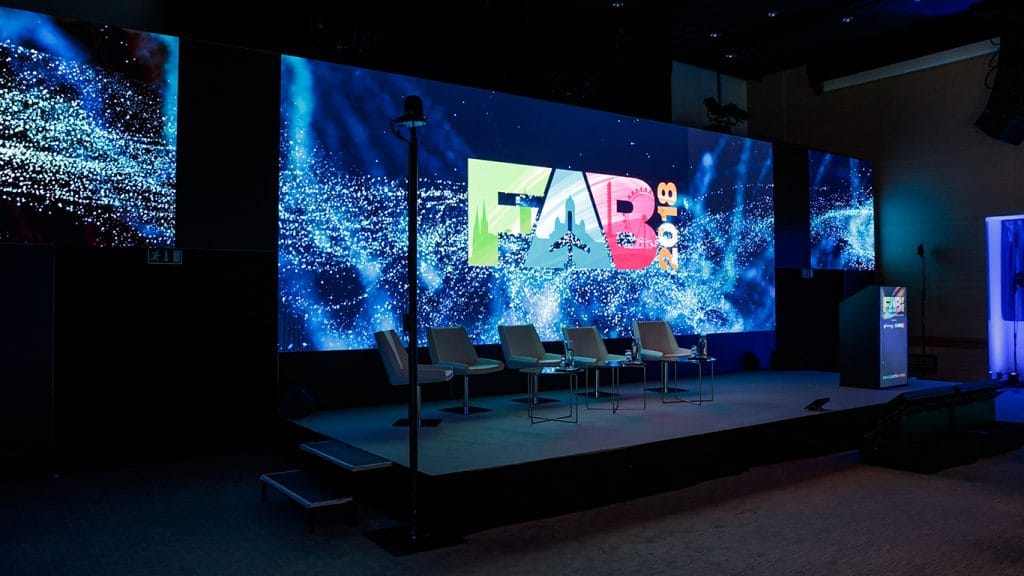
At a music event, the most important structures are the stage and the supporting structures for the sound system. At a trade fair, the emphasis is on stands, signage and walkways. At a sports event, stands, fences and referee areas are often needed. What all public events have in common is that the structures must serve both safety and user experience at the same time.
When designing structures, it is a good idea to start with the event program and how the audience moves through the area. A good structural plan guides the flow of people naturally, minimizes congestion, and ensures quick escape routes in an emergency.
How does the number of participants affect the choice of structures?
The number of participants is one of the most important factors in the design of event structures. The more people there are, the larger and more reinforced the structures need to be. The width of exits, the number of sanitary facilities and the placement of first aid points also scale directly with the expected number of people.
For a small event with a few hundred people, the structures can be lightweight and easy to erect. For events with thousands of people, the load-bearing capacity, anchoring, and load tolerance of the structures become critical factors. An assessment by a structural engineer or experienced event technology professional is essential.
It is also important to be prepared for the fact that the actual number of participants may exceed the preliminary estimate. It is advisable to size the structures slightly on the upper side so that safety margins remain sufficient even in unexpected situations.
What regulatory requirements apply to event structures?
Event security structures are subject to regulatory requirements, and requirements vary depending on the size and nature of the event. The organizer of a public event must file a report or obtain a permit from the local police, emergency services, and often also from the building inspectorate. Temporary structures, such as large tents and stages, often require a separate structural plan.
The Rescue Act requires that exit routes are clearly marked and remain unobstructed throughout the event. The building control authority may require building permits for temporary buildings if they exceed a certain size limit or are in place for more than a specified period of time.
It is also the organizer's responsibility to ensure that the structures used meet European standards and that appropriate load calculations are available. Deficiencies in documentation may lead to the event being cancelled or to subsequent legal consequences.
How do the weather and venue affect the choice of structures?
The weather and the venue largely determine what kind of structures are needed and how they need to be anchored. Outdoor events always need to be prepared for wind, rain and temperature fluctuations. The soil, size and shape of the venue, in turn, affect how the structures can be placed and supported.
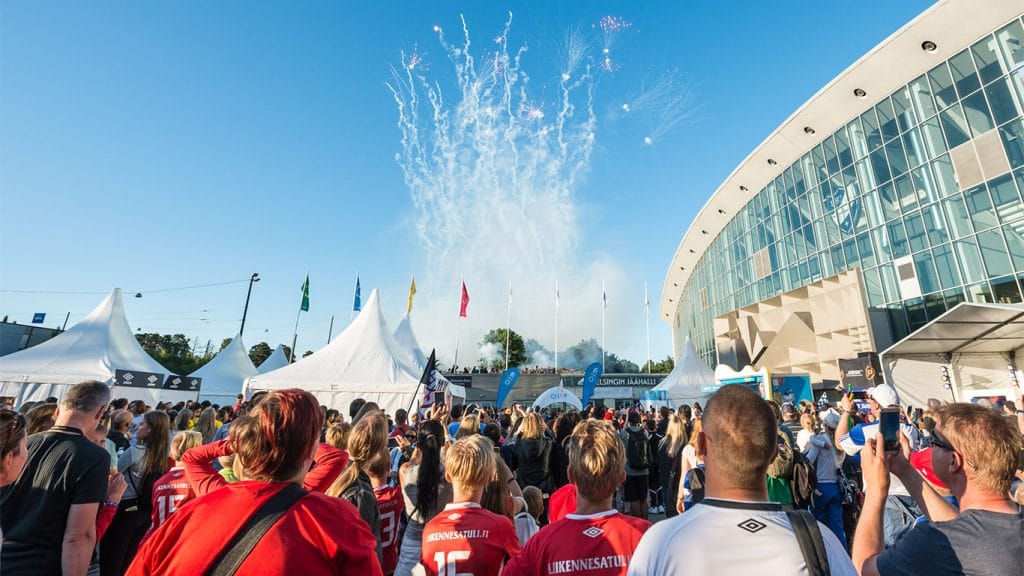
In locations exposed to strong winds, such as beaches or open fields, anchoring structures is particularly important. Tent structures need sufficient ground anchors or counterweights, and the support structures of platforms must withstand wind loads without the risk of tipping over. In the Finnish climate, autumn rains and sudden storms must also be taken into account, even if the event is held in the summer months.
The ground conditions of the venue affect the foundations of the structures. Different fastening solutions are used on asphalt and hard ground than on soft grass pitches. In historic environments or protected areas, the placement of structures may be very restricted, requiring special planning at an early stage.
When is it worth ordering event structures from a professional?
It is always a good idea to order event structures from a professional whenever it involves a public event, a large number of participants, a demanding venue or a tight schedule. A professional is familiar with the authorities' requirements, knows how to size the structures correctly and is responsible for ensuring that everything is safe and documented.
The selection of structures for a public event is a complex process, where mistakes can lead to serious safety risks or the cancellation of the event. Construction carried out by your own staff or volunteers is suitable for small indoor events, but for outdoor events and larger occasions, using professionals is clearly wiser.
At MagnumEvents, we help our clients throughout the entire event production chain, from event structure design to technical implementation. Decades of experience and expertise gained from hundreds of annual assignments mean that we know exactly what different situations require.
Ask us for a quote for your event. Tell us the date, location, number of participants and your wishes, and together we will build a package that is just right for your event.