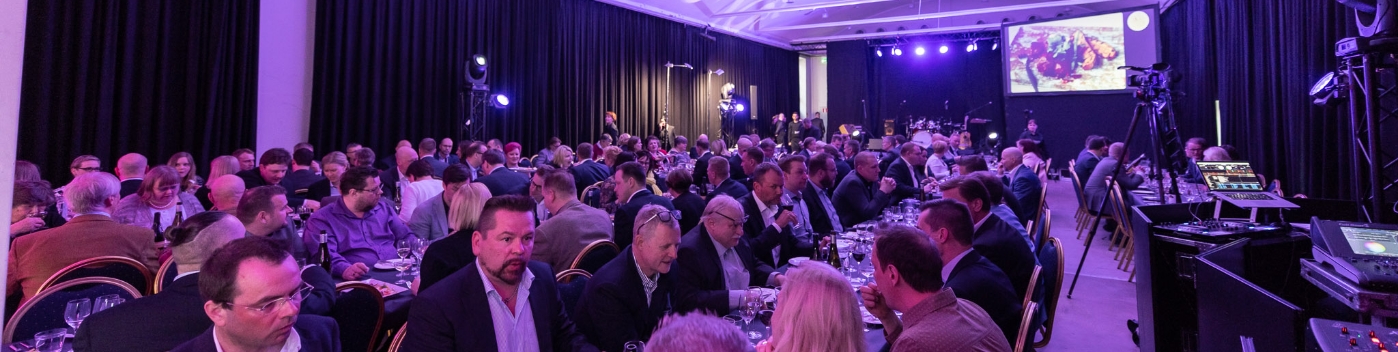
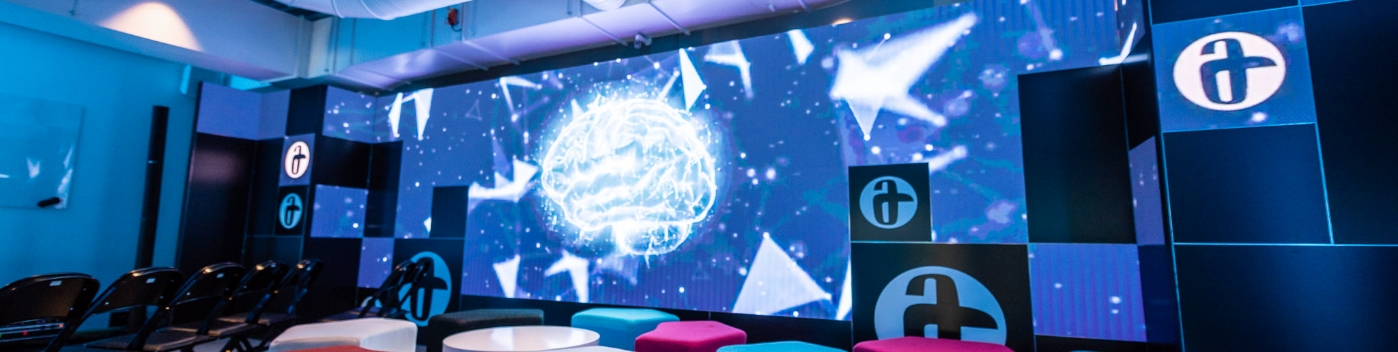
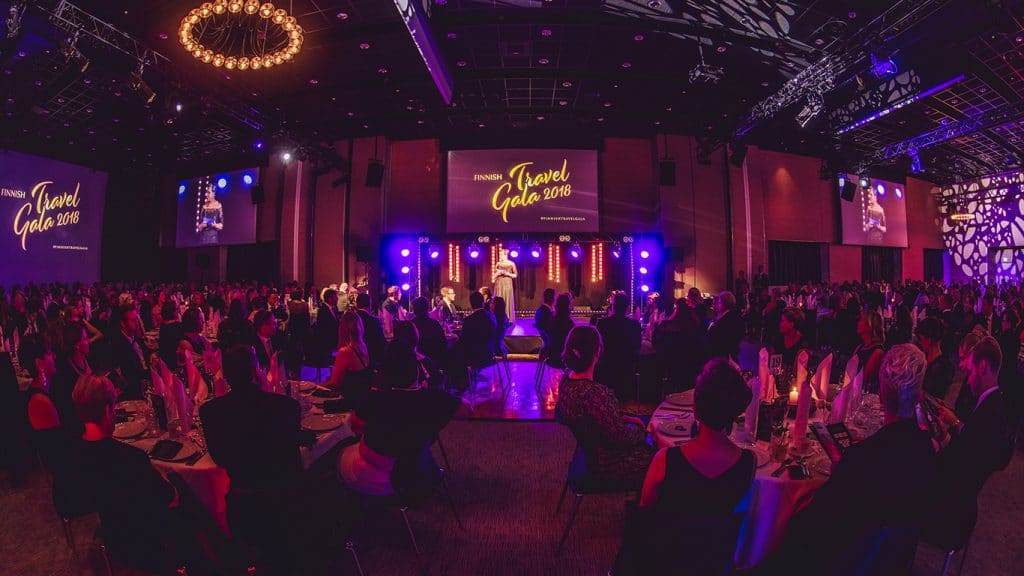
A successful corporate event does not happen by chance – it is the result of careful planning, professional execution and seamless collaboration between different departments. Event technology is a critical element of this whole, creating the framework for effective communication and memorable experiences. Technical implementation defines how an event looks, sounds and feels. At its best, it can elevate an event to a whole new level, but if poorly executed, it can ruin an otherwise well-planned event.
Why is event technology a critical part of a successful corporate event?
Event technology forms the foundation on which the entire atmosphere and functionality of the event is built. High-quality technical implementation supports the message and goals of the event in a discreet but effective way. When the technology works flawlessly, participants can focus on the content itself without distractions. On the other hand, even a single technical problem – such as audio interruptions, unclear presentation materials or failed lighting – can be the most memorable part of the entire event.
The most common challenges in poor technical planning include underestimating the acoustics of the space, inadequate lighting, poor sound quality, or compatibility issues between different devices. These challenges are especially pronounced in situations where the space imposes limitations or when the event includes multiple technical elements. Professional technical production ensures that all components work seamlessly together, which in turn guarantees a smooth participant experience. We have seen how properly implemented technology can transform an ordinary seminar room into an impressive experience environment that perfectly supports the goals of the event.
Key aspects of comprehensive event technology
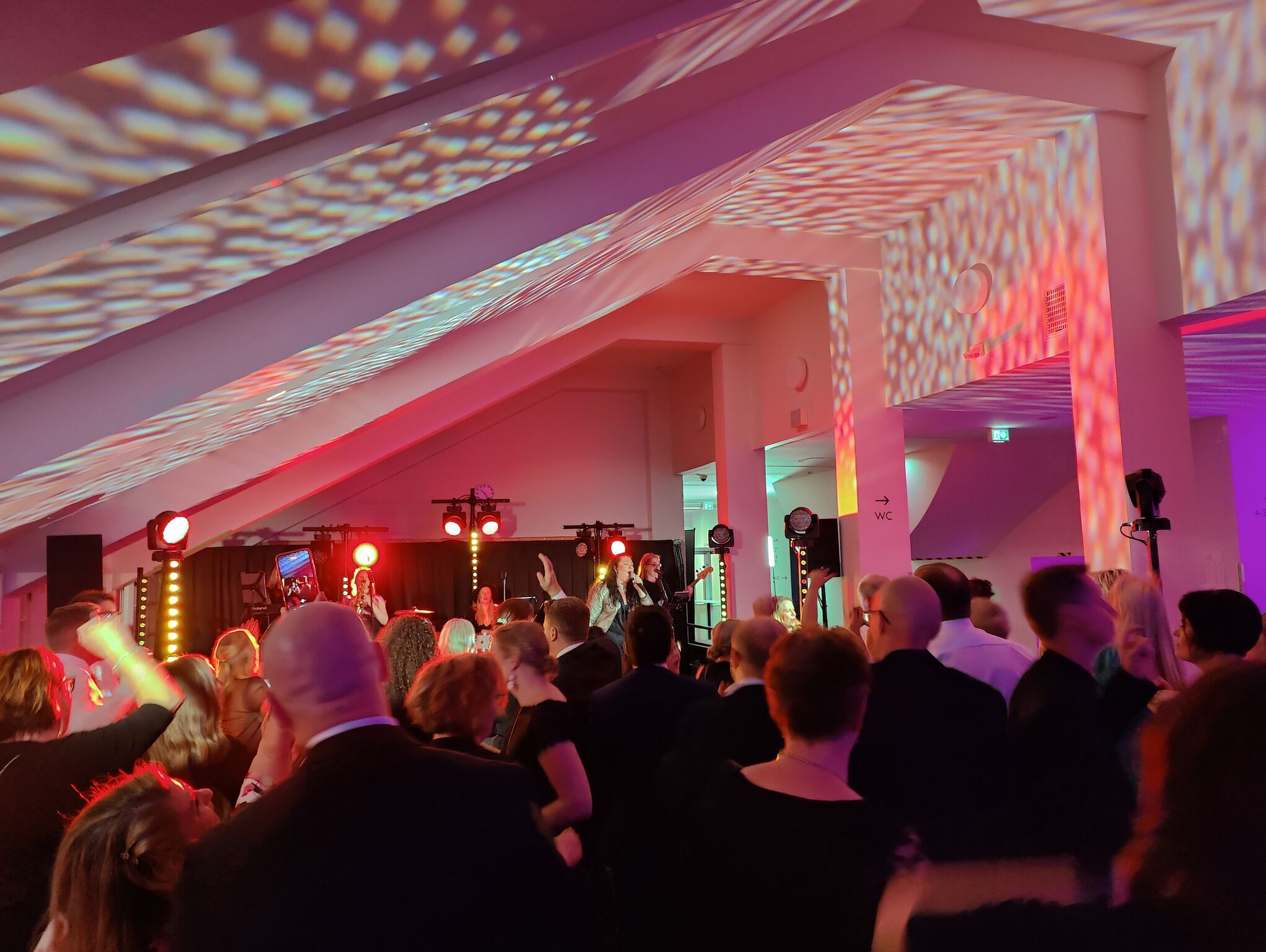
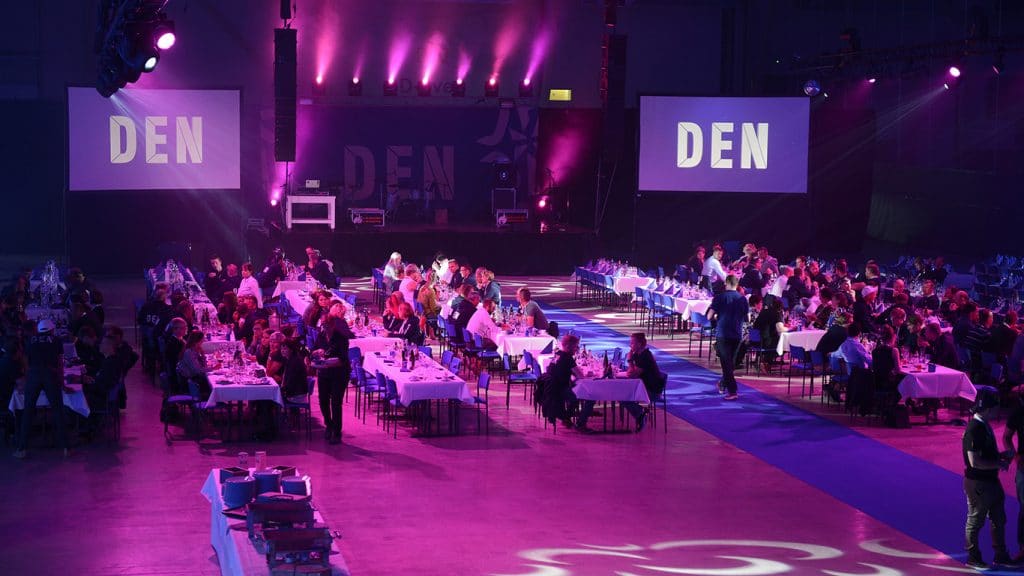
Event technology consists of several complementary elements that must work seamlessly together. Sound is the foundation on which everything else is built – without clear sound, the message will not reach the audience. Sound technology includes microphones, speaker systems, mixing desks and sound design according to the acoustics of the space. Lighting creates atmosphere, directs attention and emphasizes important elements. Modern lighting systems based on LED technology enable versatile implementations in an energy-efficient manner.
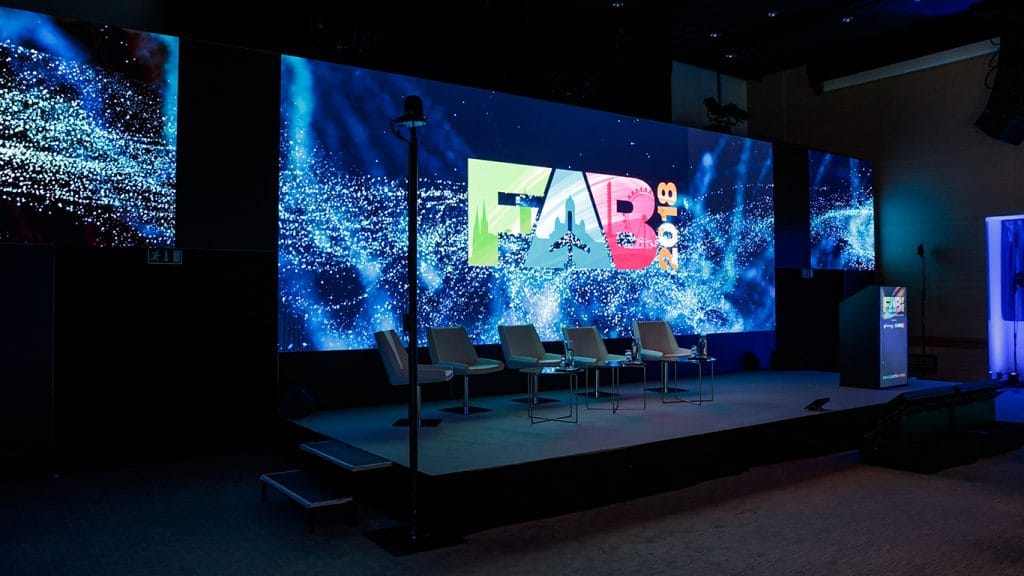
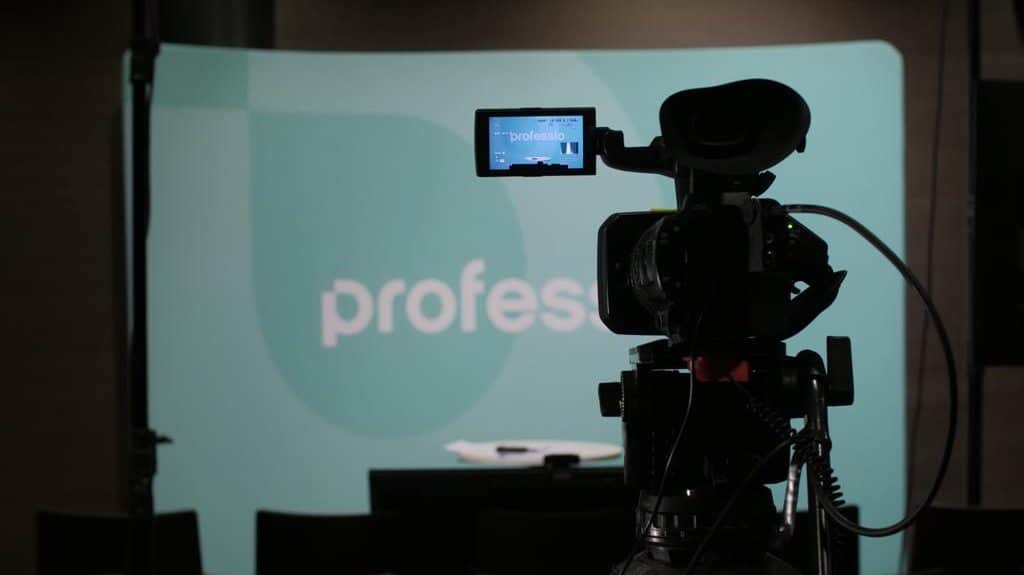
Video technology includes projectors, displays, screens and their content production. Streaming and recording events have become increasingly important when events are to be shared with a wider audience. Set design and special effects create visual impact and reinforce the theme of the event. All of these areas require their own specialized expertise, and a professional event technology producer is able to coordinate these elements into a whole that meets the goals of the event. We have implemented hundreds of different events, where technical solutions have been tailored to the needs of the specific occasion, whether it is a product launch aimed at an intimate audience or a large trade fair.
Event technology planning as part of comprehensive event production
Event technology planning begins with defining the event's goals and message. Technical implementation is not an isolated area, but must support the overall goals of the event. The planning process first maps out the limitations and possibilities set by the space: acoustics, lighting, power supply and suspension points. After this, a technical entity is designed that serves the event's content and audience size.
Scheduling is a critical factor in event technology planning. Sufficient time must be allocated for the construction, testing and dismantling of technology. In complex implementations, the construction of technology can take several days, while smaller events can be completed in a few hours. For the smooth running of the event, it is important that technology professionals are present throughout the event, ready to react to possible changes or challenges. An experienced technology supplier can anticipate potential problem situations and prepare for them in advance with backup systems and alternative implementation methods.