The logistics of a large public event are planned by dividing the whole into clear areas: transportation, access control, technology, personnel, permits and coordination between actors. Successful event logistics require that each of these areas is planned separately but coordinated together into a functional whole. In this article, we will go through the most important questions that every large event organizer should resolve before the event day.
What areas does the logistics of a large public event cover?
The logistics of a large public event include transportation and parking, crowd management, technology and equipment transfers, personnel coordination, catering arrangements, waste management, and safety and first aid planning. Event logistics is practically the coordination of all physical and operational functions of an event.
Logistics is not just about moving goods from one place to another. It is the backbone of the entire event, keeping the various activities on schedule and in the right order. Construction and dismantling schedules, delivery of sets and sound equipment, transportation of performers, and the arrival and departure of the audience are all part of the same logistical whole.
The larger the event, the more the logistical aspects overlap. For example, parking arrangements directly affect how quickly the audience arrives at the gate, which in turn affects queue management and safety. Event production logistics is therefore a comprehensive planning task, not just compiling transport lists.
How early should logistics planning start?
Planning the logistics of a large public event should begin at least six months before the event, and in the most demanding cases, even a year or more in advance. The more participants and actors involved in the event, the earlier the planning should begin.
The schedule depends on the size, location, and complexity of the event. For a smaller event with a few hundred people, a few months may be enough, but for a festival or congress with thousands of participants, the schedule will need to be much longer. Applying for government permits, bidding on subcontractors, and booking a venue all take time.
Practical experience shows that a hasty logistics plan almost always leads to problems on the day of the event. Early planning ensures that there are enough options, the budget remains under control, and all actors have enough time to prepare for their roles.
How are access control and audience flows planned at a large event?
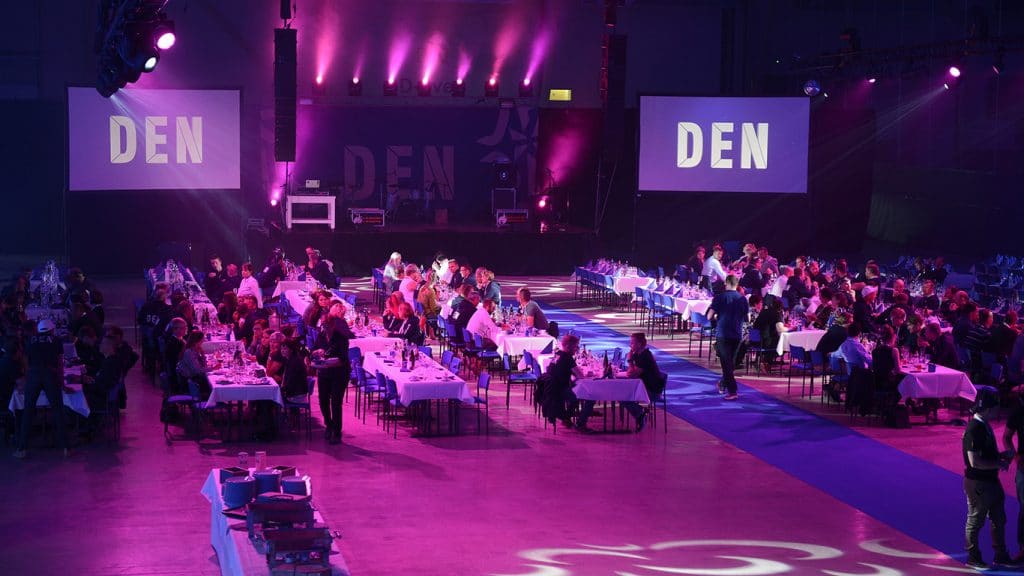
Access control and audience flow are planned by analyzing the floor plan of the event area, estimating the rate of audience entry and exit, and positioning entrances, signage, and personnel to minimize congestion. The goal is for the audience to move smoothly without bottlenecks.
Arrival and departure planning
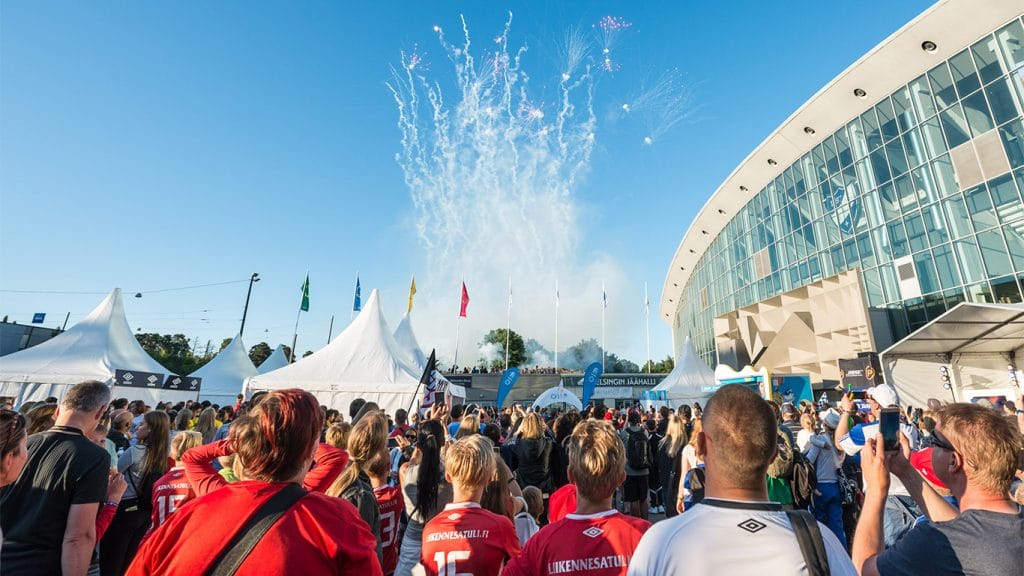
Managing peak arrivals is one of the most challenging logistical tasks at large events. The audience does not arrive evenly, but most of them try to get there just before the program starts. This is addressed by staggered entry, for example with advance ticket time slots, adding gates or directing those arriving by different means of transport to different routes.
Evacuation is equally critical. At the end of a major event, thousands of people are moving simultaneously, which can pose safety risks if evacuation routes are not carefully planned. Clear guidance, adequate staffing, and pre-arranged cooperation in traffic control are essential.
Intra-regional flows
Within the event area, audience flows are naturally guided by correctly placed signs, clear area division and active presence of personnel. Food and toilet points should be evenly distributed throughout the area so that people do not congregate in the same places. Accessibility must also be taken into account in all solutions.
What permits and official approvals are required for a large public event?
A large public event typically requires a land use permit or consent from the area owner, notification of the public event to the police, approval of the safety plan by the rescue service, and, if necessary, a noise notification to the municipality and a liquor license. The permit process must be started well in advance, as processing times vary.
The Assembly Act requires that the police be notified of a public event at least five days in advance, but in practice, for large events, notification is made months in advance. A rescue plan is submitted to the rescue service, describing the structure of the area, exit routes, first aid points and risk management.
In addition, building control permits are often required for temporary structures, such as stages and stands, and health protection authority approval for food sales. Permit requirements vary by municipality, so it is a good idea to contact local authorities early in the planning phase.
How are event logistics coordinated among multiple actors?
Coordination between multiple actors is best achieved by designating a clear event production manager or project manager, creating a common communication channel for all parties, and holding regular coordination meetings. Each actor's role, responsibilities, and timelines should be documented in writing.
The logistics of a large event can involve dozens of subcontractors: technology suppliers, security services, catering companies, transport companies and performers. Without clear coordination, the actions of different parties can clash, schedules can be disrupted and responsibilities can become blurred.
In practice, effective coordination means a shared schedule document that shows each operator's construction time, arrival time, and area of responsibility. On the day of the event, a clear communication system, such as walkie-talkies or a shared messaging app, is needed so that information can flow quickly between everyone.
At MagnumEvents, we have coordinated hundreds of demanding events and know that effective logistics are built on trust, clear contracts and proactive communication. If you are planning a large public event and want to ensure that the logistics are in order from start to finish, ask us for a quote and we will tell you how we can help your event succeed.