The movement of large masses is managed at an event by combining careful area planning, a clear signage network, sufficient personnel and technical access control solutions. Management does not happen by chance, but requires systematic pre-planning, in which each audience flow is thought out in advance. Below we will go through the most important questions that every large event organizer should resolve before the event day.
What risks does an uncontrolled crowd bring to an event?
Uncontrolled crowds pose a safety risk at an event, which can lead to crowding, falls, panic or delayed evacuation. The single biggest safety hazard at large events occurs when the number of people exceeds the capacity of the area and movement is not actively controlled.
In practical terms, uncontrolled crowd movement at an event means that entrances become congested, exits become blocked, and emergency personnel are slowed down in the event of an emergency. These problems are compounded when the number of participants increases to thousands. In addition, large crowds can cause a so-called flow phenomenon, where people lose control of their own movement.
Crowd control at an event is also a legal obligation. The event organizer is responsible for the safety of the audience, and the emergency services may interrupt the event if the safety plan is not adequate or the number of people exceeds the permitted capacity.
How should the event area be designed for mass movement?
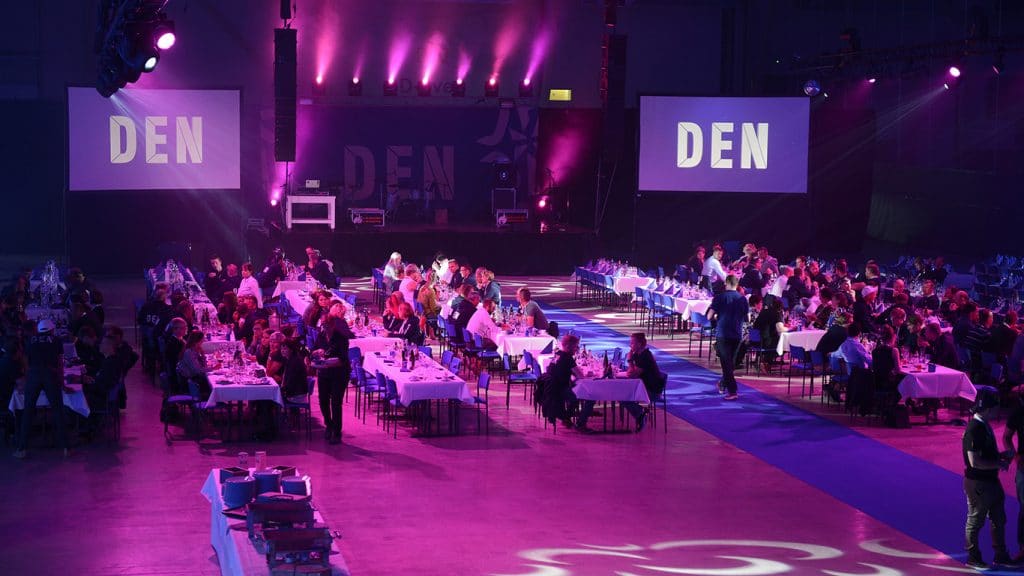
It is a good idea to design the event area so that entrances, exits and audience flows are clearly separated from each other and that no opposing flows can occur. A good layout guides the audience's movement naturally without each person needing separate guidance.
Key design principles include:
- Sufficient number of entrances in proportion to the expected number of visitors, so that there are no traffic jams during arrival
- Clear and visible signage toilets, first aid stations, food and drink areas and exit routes
- Wide main corridors, which can withstand high loads even during breaks and program changes
- Avoiding bottlenecks for example, on stairs, bridges and narrow corridors
- Accessibility taken into account in all solutions so that people with disabilities can move around safely
Good area planning is based on pre-calculations of the expected flow of visitors at different times of the day. Peaks often occur at the beginning of the event, during program breaks, and at the end, so these moments require special capacity planning.
What technical solutions are used for access control at large events?
Event access control most commonly uses barcode readers or RFID-based wristband or card scanning, which enables fast and reliable access control. Technical solutions reduce queuing times, prevent ticket forgery and provide a real-time picture of the number of people in the area.
The most common technical solutions are:
- QR and barcode scanners, which work quickly and are cost-effective
- RFID wristbands, which can also control access to different areas within the event
- Automatic gates and turnstile structures, which control the flow mechanically
- Real-time visitor counting tools, which show the occupancy level of the area in the control room
- Mobile applicationswhich have a ticket integrated and can be scanned directly from the phone
The choice of technology is influenced by the size of the event, budget and whether access control is needed only at the main entrance or also within the event area in different zones. Zone-based access control is already an established practice at large festivals and congresses.
How much staff is needed for large events?
The number of staff required for large events depends on the size of the audience, the size of the area and the nature of the program, but a general starting point is one security guard or guide for every 50 or 100 participants. The exact number is always determined on an event-by-event basis based on a risk assessment.
The personnel requirement is divided into several different roles:
- Security guardswho have the training required by law and are responsible for safety
- Ticket inspectors and access control personnel at the entrances
- Guideswho guide the public through the area and answer questions
- First aid personnel, the dimensions of which are regulated by the Assembly Act and official regulations
- Technical staff, which is responsible for hardware and access control systems
It’s not just numbers that are enough, but the placement of staff is just as important. Critical points such as entrances, exits and the front of performance areas always require their own staff. Well-trained and clearly briefed staff is one of the most effective ways to manage crowds at an event.
How are emergencies and evacuations handled at large public events?
Emergencies and evacuations at large public events are handled according to a pre-prepared rescue plan, which includes clear responsibilities, communication channels and practiced operating models. The plan is mandatory for public events with more than 200 people and is approved by the rescue authority.
A functioning evacuation plan includes at least the following elements:
- Clearly marked exits that remain clear throughout the event
- An alarm protocol that defines who gives the evacuation order and how the information is communicated to personnel
- An announcement system that allows the public to be given clear instructions in a calm manner
- A meeting point outside the area where staff will direct the public
- Connection to rescue and first aid services and agreed vehicle access route to the area
In emergency situations, the single biggest challenge is preventing panic. Calm, clear communication through the public address system has been shown to be the most effective way to keep the public under control during evacuation. The role of personnel is to guide, not to escape.
At MagnumEvents, we design security solutions for each event as part of the overall production, so crowd management is integrated into the program, area layout, and staffing from the start. If you are organizing a large public event and want to ensure that everything runs safely, ask us for a quote and we will review the needs of your event.