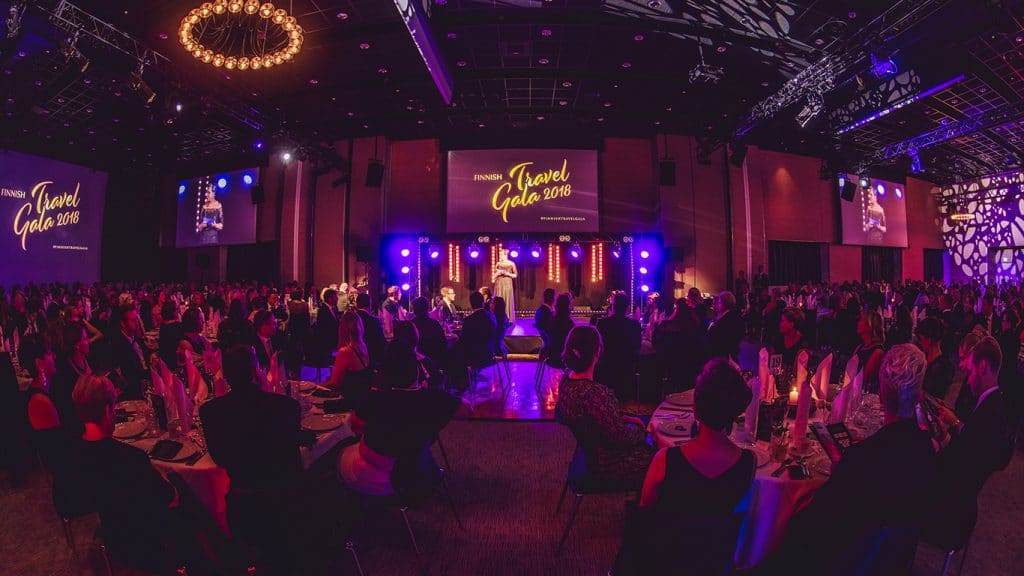
Collecting feedback from a corporate event effectively means sending a short, targeted feedback survey to attendees within 24–48 hours of the event. The sooner the survey reaches the respondent, the more fresh their memories will be and the more valuable the responses will be. Below, we’ll go over the most important questions about how to collect event feedback in practice.
When should you send a feedback survey after an event?
It is a good idea to send a feedback survey within 24–48 hours of the event. During this time, the event is still fresh in the memory, the atmosphere is still fresh, and the participant has a genuine motivation to share their experience. The longer you wait, the more the response rate will drop.
If it is a multi-day event, you can consider collecting short feedback during the event, for example between days. This allows you to react quickly if something needs to be corrected before the next day of the program. You can still send final feedback after the event to evaluate the whole.
Avoid sending surveys more than a week after the event. The response rate will drop significantly, and responses will become less accurate as details are forgotten in the hustle and bustle of everyday life.
What questions should you include in the feedback form?
A corporate event feedback form should include no more than 8–12 questions, covering the overall assessment of the event, individual areas, and open-ended feedback. A form that is too long will drive respondents away, while one that is too short will not yield enough actionable information.
A good feedback form typically includes the following elements:
- Overall rating about the event on a scale of 1–5 or 1–10
- Content quality and relevance from the participant's perspective
- Practical arrangements such as schedule, space, technology and serving
- Presenters or speakers separate evaluation if there was a program at the event
- Willingness to recommend i.e. the NPS question: “Would you recommend this event to a colleague?”
- Open field for free feedback and development suggestions
Make your questions as specific as possible. Instead of asking “Was the event good?”, ask “Did the content of the event meet your expectations?” A specific question will yield a more specific answer.
What is the best channel to collect event feedback?
The best channel for collecting event feedback is an emailed link to a digital survey form. Email reaches attendees directly, and a digital form allows for automatic collection and analysis of responses without manual work.
However, when choosing a channel, it is worth considering the target group and the nature of the event:
- Email link works best in seminars, trainings and meetings where participants' contact information is already available
- QR code on site Perfect for trade fairs or outdoor events where you want to collect feedback immediately after the event ends
- Text message works in situations where email open rates are historically low or the target group uses the phone as their primary communication tool
Avoid paper feedback forms unless the nature of the event specifically requires them. Manually entering paper responses takes time and increases the risk of errors during the analysis phase.
How do you get more respondents to a feedback survey?
You can get more respondents to your feedback survey by keeping the form short, communicating the time it will take to complete it in advance, and sending one reminder if necessary. The response rate will clearly increase when the participant already knows in the accompanying message that the survey will only take three minutes.
Other practical ways to increase response rates:
- Mention the feedback survey during the event, for example from the host before the event ends.
- Write a personal cover letter and briefly explain what the feedback will be used for.
- Send one reminder email approximately three days after the initial survey to those who have not yet responded
- Consider a small incentive like a raffle or useful content for respondents, if the target audience and nature of the event allow it
- Optimize your survey for mobile devices, as a large portion of emails are opened on a phone
The most important thing is that the participant feels that their feedback is truly valuable. Open and honest communication about how the responses will be used increases motivation to respond.
How is event feedback used in planning the next event?
Event feedback is used to plan the next event by systematically analyzing responses immediately after the collection phase, identifying recurring themes, and making concrete changes to the areas that received the lowest ratings. Feedback is only valuable if it leads to action.
In practice, you should proceed as follows:
- Assemble the summary numerical estimates and open-ended responses as soon as the response time has expired
- Group feedback by theme: content, logistics, technology, program and atmosphere
- Identify recurring development points and prioritize them according to impact
- Share results with the event planning team and record the agreed changes in the document
- Message about the results to the participants briefly, for example in a thank you message: “We heard your feedback and we will do this next time”
Recording and comparing feedback from event to event is particularly valuable. Seeing over the long term which areas are improving and which remain challenging will help you make better decisions during the planning phase.
At MagnumEvents, we help companies build events that leave a positive impression and where the feedback collected truly guides development. Whether you are planning a seminar, an anniversary party or a larger corporate event, ask us for a quote and together we will build an event that participants will want to talk about.