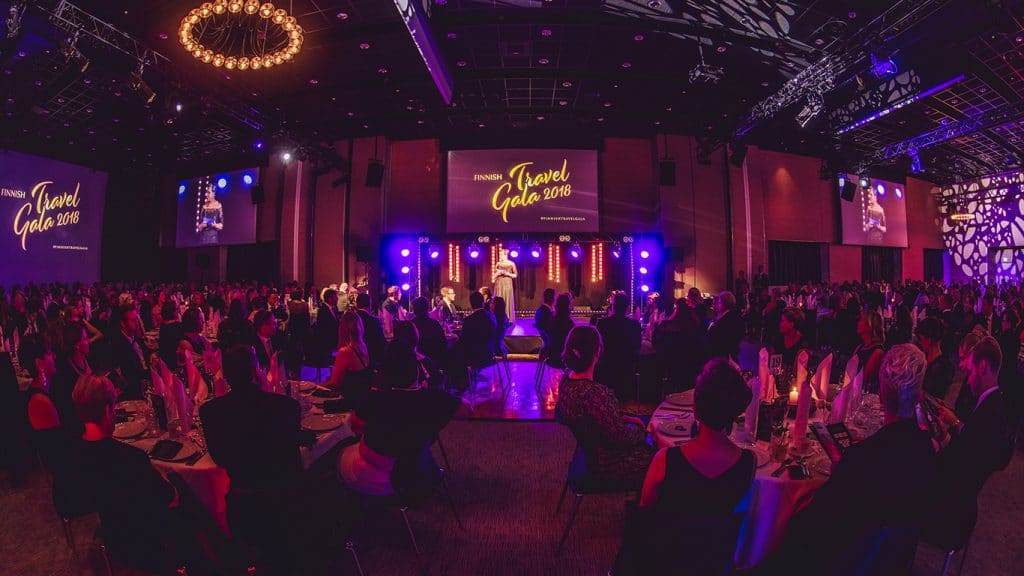
It is a good idea to start planning for a public event at least 6–12 months before the event date . Small events can be successful with less notice, but large public events often require a planning window of up to a year or more. The more participants, performers, and external journalists involved in the event, the earlier the planning process should be started. Below, we will go over the key questions about scheduling and where to start.
How long does it take to organize a public event?
Organizing a public event typically takes from 3 months to over a year, depending on the size, nature, and goals of the event. A small indoor event for a hundred people can be successful in three months, while a festival or outdoor event for a large audience often requires a 12–18 month planning process.
The event planning schedule is made up of several parallel components: booking the venue, handling permits, securing performers or speakers, marketing, technical production, and security planning. Each of these areas requires its own schedule, and they overlap. For example, a popular venue may be booked a year in advance, and the calendars of well-known performers fill up quickly.
In practice, the total time spent planning an event is roughly divided into three phases: conceptualization and securing resources, operational planning, and finalizing the implementation weeks. Each phase takes its own time, and they cannot be significantly shortened without some area suffering.
What happens if planning starts too late?
Planning an event too late almost inevitably leads to compromises: the venue you want is already booked, the best performers are not available, and there is too little time for marketing. Planning in a hurry also increases costs, as last-minute solutions cost more.
Permit processes are one concrete bottleneck. A public event may require several official permits, such as a gathering permit, a noise notification or a liquor license. Applying for these takes time, and processing times cannot be accelerated by wishing. If the permit application is submitted too late, the event may simply be canceled.
Reaching the audience also suffers from short planning time. Event production planning always includes a marketing phase that needs sufficient time to work. People make calendar reservations weeks or months in advance, and if information about the event comes too late, potential participants have already committed elsewhere.
Where should you start planning a public event?
Planning a public event should start by defining the goals and target group . Before making any practical arrangements, you need to know why the event is being organized, who it is aimed at, and what kind of experience you want to offer the participants.
Once the goals are clear, the next steps are natural:
- Budget: Define the available resources right from the start, as the budget will guide all other decisions.
- Time and place: Book your event venue as early as possible, as good spaces fill up quickly.
- Permit issues: Find out about the necessary permits and notifications as soon as the time and place are known.
- Program and performers: Secure keynote speakers or presenters before their calendars run out.
- Marketing: Create a communication plan and start reaching out to your audience well in advance.
This order is not random. Each point lays the foundation for the next, and if any step is skipped or done in the wrong order, it will cause corrective movements later.
When is it worth hiring an event agency to support planning?
It pays to hire an event agency right at the beginning of the planning process , not when problems have already arisen. The earlier a professional is involved, the better the overall success and cost-effectiveness of the event can be.
An event agency brings with it networks that an individual organizer may not have: contacts with performers, venues, technology suppliers, and other service providers. This significantly speeds up planning and reduces the risk of missing a critical area.
External assistance is particularly useful when the event is the first of its kind, when it is exceptionally large or complex, or when the organizing organization does not have its own event expertise. At MagnumEvents, we help with the implementation of individual components as well as through a full turnkey service, allowing you to focus on your own core business.
How does the size of the event affect the planning schedule?
The size of the event is one of the most significant factors in the planning timeline. An event for under 200 people can often be organized in 2–4 months, while an event for over 1,000 people typically requires 9–18 months of planning time.
Small and medium-sized events
Smaller events have more manageable logistics and fewer vendors. The planning schedule can be tighter, but you still need to allow enough time for venue booking, program development, and communication. A tight schedule only works if all parties are committed and decision-making is quick.
Large public events
In large events, there are many more entities to coordinate: security plans, multiple simultaneous program stages, extensive technical solutions, parking arrangements and first aid capabilities. Cooperation with the authorities starts well in advance, and the marketing campaign needs a long lead time to reach the audience. For these events, planning for the public event should begin at least a year before the event date.
A good rule of thumb is: every additional hundred participants adds about a week to the planning time . This is not an exact formula, but it helps to understand why large event schedules are so long.
Are you planning a public event for 2026 or 2027? Ask us for a quote well in advance and we will make sure your event gets off to a good start at the right time and in the right way. MagnumEvents takes care of everything from concept to execution, so you don't have to.