Organizing a corporate event is a multi-step process that requires a clear goal, careful planning, and timely decisions to succeed. In this guide, we'll walk you through the steps of organizing an event from start to finish – from goal definition to post-event evaluation – so you have everything you need to build a successful event.
The steps of organizing an event in a nutshell
Before diving into the details, it's helpful to briefly outline the overall arc. Event planning typically proceeds as follows:
- Defining the goal and target group
- Building a budget
- Deciding on a date and schedule
- Venue selection
- Planning the program and performers
- Ensuring technical implementation
- Handling permits and security
- Communication and registration
- Event day coordination
- Post-evaluation and learning
Each step affects the next, which is why it is worth keeping the order in mind throughout the process.
Goal and target group – the basis for event planning
When planning a corporate event, it's always a good idea to start by defining your goal and target audience. When you know what you want to achieve and who the event is aimed at, all other decisions – location, time, program, and budget – are much easier to make consistently.
Corporate events have very different purposes. The event can be aimed at networking, strengthening customer relationships, motivating staff, launching a product or even providing information. The goal determines what kind of atmosphere, format and content you should expect from the event.
The target group, in turn, guides practical choices: a customer event, a staff party, and an expert seminar are all corporate events, but their structure and expectations differ significantly. A clear goal keeps the planning on track from start to finish.
Budget – build it by area
A realistic budget is essential for a successful event. Costs vary significantly depending on the size, nature and implementation of the event, so it is a good idea to build a budget by section right from the beginning of the planning phase. For more information on budget allocation, see a separate article.
Key areas of the budget
- Space and technology: Venue rental and audio-visual equipment often constitute the largest expense item.
- Program and performers: The fees for speakers, artists, or other performers vary widely.
- Food and drink: Catering is a significant cost at many events and at the same time a big part of the participant experience.
- Marketing and communications: Invitation process, materials and possible event website.
- Personnel and coordination: The work involved in planning and managing an event, either internally or outsourced.
Hidden costs that are often overlooked
When budgeting, it's easy to forget about expenses such as transportation for attendees, decorations, equipment setup and teardown, and possible permit or insurance fees. A realistic budget also includes a small buffer for unexpected expenses – usually around ten percent of the total budget.
Time and schedule – book an appointment well in advance
The choice of date will directly affect how many invitees can attend. Check in advance whether the planned date overlaps with other industry events, holiday seasons, or public holidays. A competing program can significantly reduce the number of attendees.
It is a good idea to scale your planning schedule based on the size of the event. For larger events, the best event spaces and performers fill up quickly, so it is a good idea to make reservations well in advance. For smaller internal meetings or events, a shorter preparation time may be sufficient. For more information, see the article When to Start Planning.
Build a clear project schedule for your event, with deadlines for each phase. This will ensure that decisions are made at the right time and nothing important is left to the last minute.
Choosing a location – the space sets the framework for everything else
Choosing a venue is one of the most important decisions when planning an event. The space must be suitable for the number of participants, location, and technical features of the event.
Evaluate the place based on at least the following factors:
- Size and capacity: The space should not be too cramped or too large – either extreme has a negative impact on the atmosphere.
- Location and transportation: Easy accessibility by public transport and sufficient parking facilities are important, especially for larger events.
- Accessibility: Accessibility must be taken into account so that all participants can participate equally.
- Technical capabilities: Not all venues come with high-quality AV equipment. Find out in advance what is available and what needs to be brought separately.
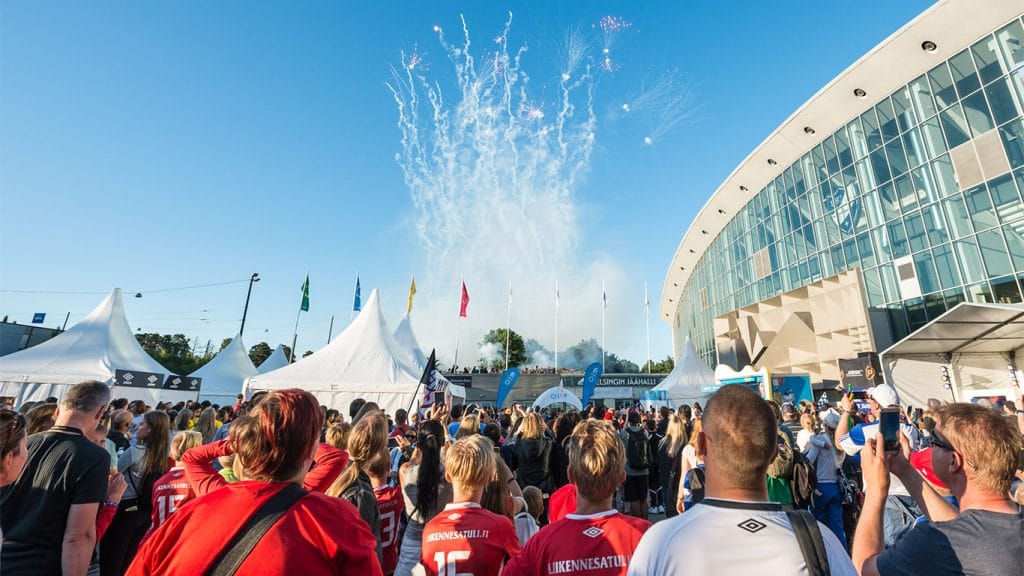
If it's an outdoor event, you always need a contingency plan for the weather. The specifics of outdoor events are explained in more detail in the article Organizing an Outdoor Event.
Program and performers – content matters
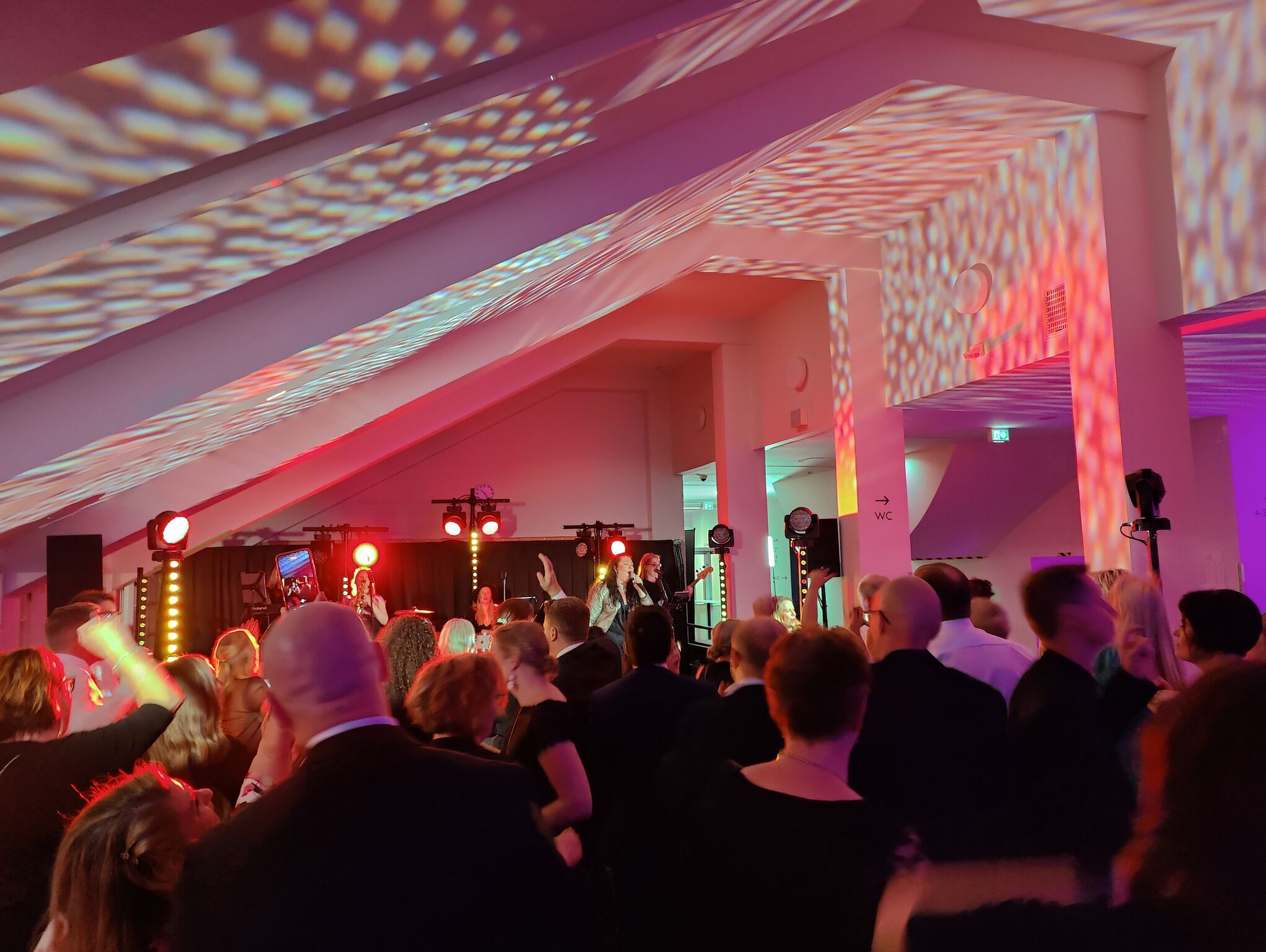
The right program and the right performers are selected based on the event's goal, target group, and desired atmosphere. An entertaining evening requires a different program than an expert seminar or strategic management event. The right program reinforces the event's message and stays in the participants' memories.
When planning a program, it is worth considering a balance between informative and entertaining content. Long lecture segments are tiring, but a program that is purely entertaining can feel disconnected from the company's message. A good corporate event combines both in a way that feels natural. Also pay attention to the rhythm of the program: breaks, transitions and audience activation keep the energy level up throughout the event.
Key criteria for selecting performers include experience in corporate events, the ability to read the audience and a professional attitude. The role of the presenter is often undervalued: a good presenter keeps the program together, creates energy and saves situations where the schedule or technology does not work as planned. MagnumEvents has decades of experience in sourcing performers and presenters, and we can help you find the right people for your event from our extensive network.
Technology – the invisible backbone
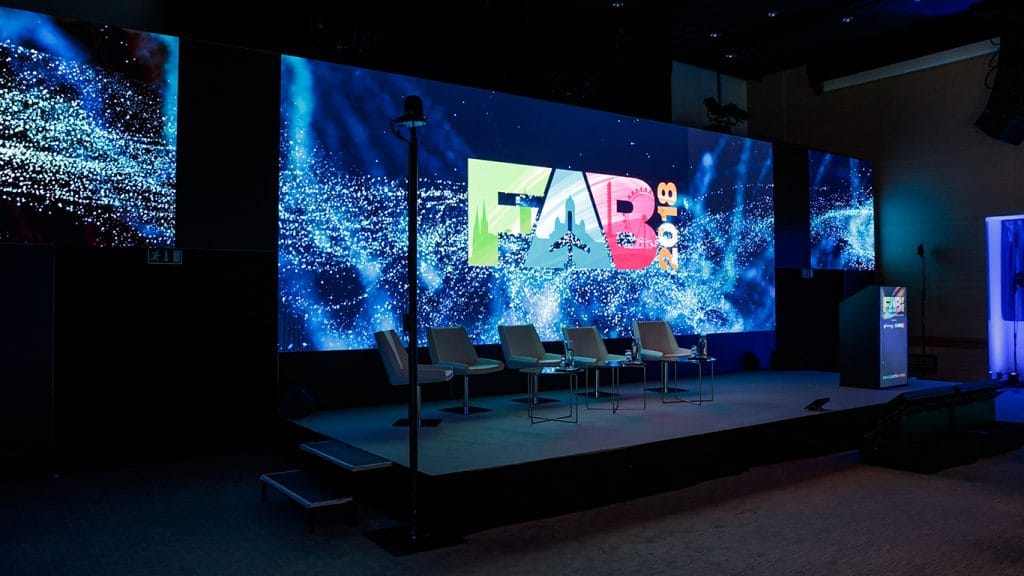
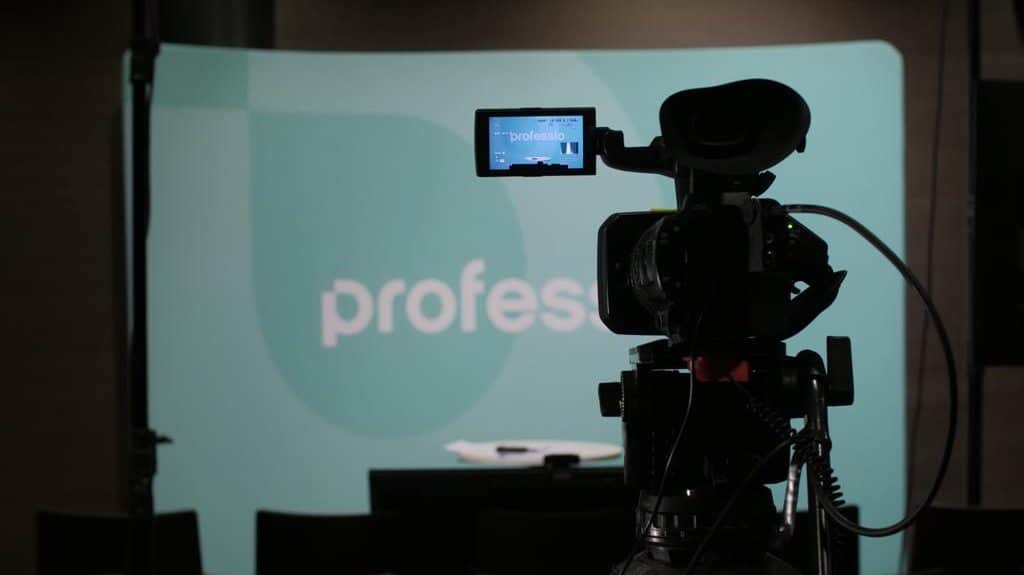
The technical implementation of a corporate event must at least consider sound, lighting, screens and video projectors, as well as possible streaming or hybrid implementation. Technology is the invisible backbone of an event: when it works, it is not noticeable, but when it fails, the entire event suffers.
It is worth checking the technical capabilities of the venue already during the planning phase. It is also important to check the capacity of the internet connections, especially when the event includes hybrid components or a live broadcast. You can find more detailed information about the technical implementation on our event technology page.
The best way to ensure the functionality of the technology is to conduct a thorough technical review before the event. Having professional technical staff on site throughout the event is an investment that pays for itself by preventing just one critical disruption.
Permits, safety and insurance
Organizing a public event may require various notifications and permits from authorities. The permits required depend on the nature, size and location of the event – an internal corporate event and a large outdoor event have very different positions in this regard. For more information on permit practices, see the article Public event permits.
Safety planning is an essential part of event planning. Think in advance about how to act in emergency situations, and make sure that your staff knows their responsibilities. Liability insurance is a sensible or even necessary purchase in many situations – for more information, see the article Liability Insurance.
We do not offer legal advice, but we recommend that you clarify licensing and insurance issues well in advance of the event.
Communication and registration
Successful communication ensures that the right people are informed about the event and are able to register in time. Plan the invitation process carefully: who to send invitations to, through which channels, when and how many reminders are needed.
Make registration as easy as possible. A clear registration form, confirmation email, and a reminder before the event if necessary are the minimum requirements. If there are any special information related to the event – such as the program, dress code, or directions – make sure that this reaches participants well in advance of the event.
Event day coordination
All planning culminates on the day of the event. A clear daily schedule, designated responsible persons, and effective communication within the team are the cornerstones of a successful implementation day.
Before the event begins, make sure that the technology has been tested, that staff know their roles, and that any changes are planned for. Keep the program under active surveillance throughout the event – even small delays can add up if not addressed quickly.
Having a good coordinator or producer on site throughout the day is valuable: it frees up the host or hostess to focus on the guests instead of having to run the logistics of the event.
Ex-post evaluation – learning makes the next one better
An event doesn't end when the last guest has left. Post-event evaluation is an important part of the overall event organization process, and it's worth doing it systematically.
Collect feedback from participants as soon as possible after the event, while the experience is still fresh in their minds. You can find best practices for collecting feedback in a separate article.
Also, review with the organizing team what worked and what could be done differently. Document your findings – they will be invaluable when planning your next event.
When is it worth outsourcing event planning and organization?
It is worth outsourcing the organization of a corporate event when the event is large or complex enough, internal resources are limited, or when you want to ensure a professional outcome without overloading your own staff. Outsourcing frees the company to focus on the content of the event itself and the guests.
An event production professional brings with them established supplier networks, experience in problem-solving, and the ability to anticipate risks that a less experienced organizer might not anticipate. This is often reflected in both the quality of the end result and the stress level of the organizing team.
Outsourcing does not mean that a company loses control of its event. A good event agency acts as a partner who realizes the client's vision – not replaces it with its own. MagnumEvents is a Finnish full-service event agency that has been operating in the industry for decades. The head office is in Vantaa, and the service covers the whole of Finland. We are members of the Association of Finnish Event Agencies and Agents and the Finnish Event Industry Association, and we are a Trusted Partner according to the Client Liability Act.
You can order from us either a specific area – such as event technology or performers – or the entire event production on a turnkey basis. Our group carries out approximately 4,000 assignments per year, so we have experience in a wide variety of events.
Do you want to ensure that your corporate event is a success from start to finish? Tell us the date, location, number of attendees, and budget, and we will build just the right package for you. Request a quote and let's start planning together.
Frequently Asked Questions
What are the steps in organizing an event?
The stages of organizing an event progress from defining the goal and target group to budgeting, choosing the time and place, planning the program, technical implementation, permits and security, communication, as well as the implementation itself and post-evaluation. Practical tip: record each stage in the project schedule with its own deadline - this way you will ensure that decisions are made at the right time. Also remember the post-evaluation and collecting feedback, as they will make the next event better.
What should be taken into account when organizing a corporate event?
When organizing a corporate event, it is essential that the goal, target group and budget are clear before you start locking in the details. In addition, consider the time in relation to the rest of the industry calendar, the suitability of the space with its technical capabilities, and licensing and insurance issues. Practical tip: before starting planning, create a short brief that answers the questions what, for whom, why and with what budget – it will save time later.
When should you start planning an event?
It’s a good idea to start planning well in advance, as the most popular event spaces and performers book up quickly. The larger or more technically demanding the event, the earlier you should start – small internal meetings are a different story. A practical tip: book the space and headliners first, as they often determine the rest of the schedule.
How should you divide the budget for a corporate event?
It is a good idea to divide the budget into clear areas: space, technology, program and performers, food and beverage, and communication and coordination. Determine the overall budget right at the beginning of the planning process and set aside a buffer for unexpected expenses – hidden costs, such as decoration and technology setup, are easy to forget.
Are permits or insurance required for a corporate event?
The need for permits depends on the nature, size and location of the event: a closed internal event and a large public event are very different in this respect. Find out the requirements from the authorities well in advance, as practices may vary - for more information, see the article Public event permits. Liability insurance is also a sensible purchase in many situations; find out your needs from your insurance company.
When is it worth outsourcing event organization to an event agency?
Outsourcing is a good idea when the event is large or technically demanding, you have limited time or experience, or you want to ensure a professional outcome without overloading your own team. MagnumEvents is a Finnish full-service event agency that handles event production either on a turnkey basis or just the part you need. Request a quote and let's see together which solution suits your event best.