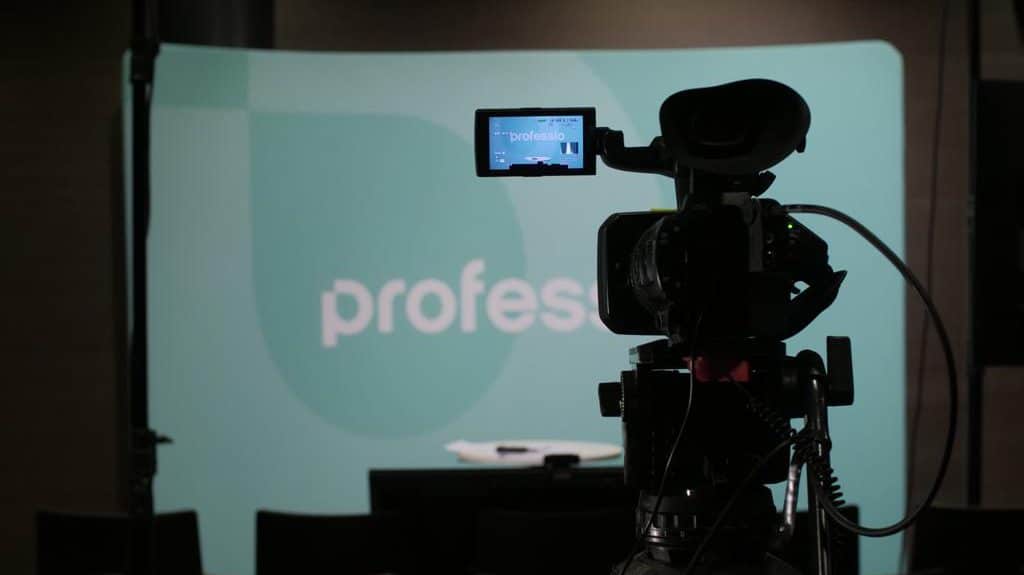
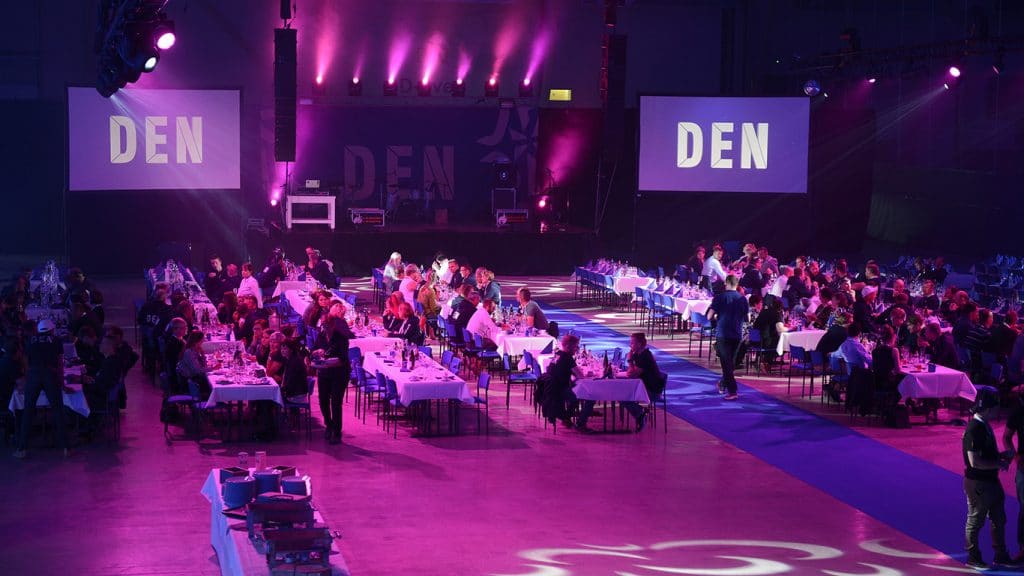
The role of event production in a public event is to act as the backbone of all visible and invisible activities. It covers everything from planning and logistics to technology and content, so that the event runs smoothly from start to finish. In the following sections, we will go through the key issues of event production in a practical way.
What does event production involve in practice?
Event production is a whole that encompasses the planning, coordination, technical implementation and content production of a public event. It includes everything from scheduling and budgeting to performer procurement, sound and lighting technology, space rentals, permit issues and personnel management. Event production is the process that turns an idea into a functional event.
In practice, event production is divided into several parallel entities that are managed simultaneously:
- Technical implementation: sound, lighting, AV equipment, live streaming and staging
- Content and program: performers, presenters, program numbers and scheduling
- Logistics: transportation, accommodation, catering coordination and venue reservations
- Communications and marketing: invitations, registration and information
- Security and permissions: cooperation with authorities, public order and insurance
The larger the audience event, the more complex it becomes to coordinate these areas. Neglecting even the smallest detail can affect the entire audience experience.
How do an event producer and an event organizer differ?
An event producer is responsible for the overall production of an event, i.e. managing resources, technology, schedules and suppliers, while an event organizer is often the party that owns the idea of the event and is responsible for its strategic direction. In short: the producer executes, the organizer owns the vision.
In practice, the roles often overlap or are handled by the same person in smaller events. However, in larger public events, the division is clearer. The event organizer may be, for example, a company's marketing manager or an association's board of directors, who knows what they want, but may not necessarily know how to implement it technically or logistically.
An event producer brings with them professional expertise, a network of journalists, and practical experience of what it really takes to organize an event for the public. A good producer not only performs tasks, but also anticipates risks and solves problems before the audience notices anything.
Why does event production affect the entire audience experience?
Event production affects the audience experience because it determines every touchpoint an attendee encounters at an event. The sound quality, the smoothness of the program, the functionality of the facilities, and the professionalism of the performers are all the end results of event production. When the production works, the audience doesn’t notice it at all, which is a sign of success.
Audiences often don’t break down their experience into parts. They don’t think, “The technical execution was good but the logistics were disappointing.” They experience the event as a whole and form a single feeling from it. This means that a single production failure, such as choppy sound, a late program, or a confused arrival, can ruin an otherwise successful evening.
High-quality event production also builds trust in the organizer. When an event runs smoothly and professionally, the audience feels that their time and money are valued. This is directly reflected in whether they want to attend the next event.
What happens when event production is outsourced?
When event production is outsourced, the client gains access to the expertise of professionals, established supplier networks, and experience from numerous similar projects. In practice, this means that responsibility for the production process is transferred to the agency, and the client can focus on the content of the event and their own goals.
An external event agency brings clear advantages:
- Resource efficiency: The office handles tenders, contracts and coordination.
- Risk management: an experienced producer identifies problems before they arise
- High-quality networks: ready-made relationships with performers, technology suppliers and venues
- Scalability: The office is able to organize both small meetings and large festivals.
At MagnumEvents, we complete thousands of assignments annually, so our clients have access to extensive experience and ready-made processes. The client can order from us either a single area, such as performer acquisition or technology, or the entire event on a turnkey basis.
When is it worth resorting to professional event production?
It is worth resorting to professional event production when the success of the event is of real importance, resources are limited, or the scope of the event exceeds the expertise of your own organization. This applies in practice to most public events involving more than a few dozen people.
Professional event production is especially beneficial when:
- The event has an important brand or business objective
- The number of participants is large or the event has a public profile
- Technical implementation requires specialized expertise
- The schedule is tight and there is no room for mistakes.
- Our own personnel are unable to disengage from the arrangements without core operations suffering.
It is also important to remember that outsourcing event production does not mean losing control. A good event agency acts as a partner who professionally implements the client's vision and keeps the client informed throughout the process.
If you are planning a public event or corporate event for 2026, contact us at MagnumEvents. Tell us the date, location, number of participants and your wishes, and we will build a package that suits you. Request a quote and let's start planning together.