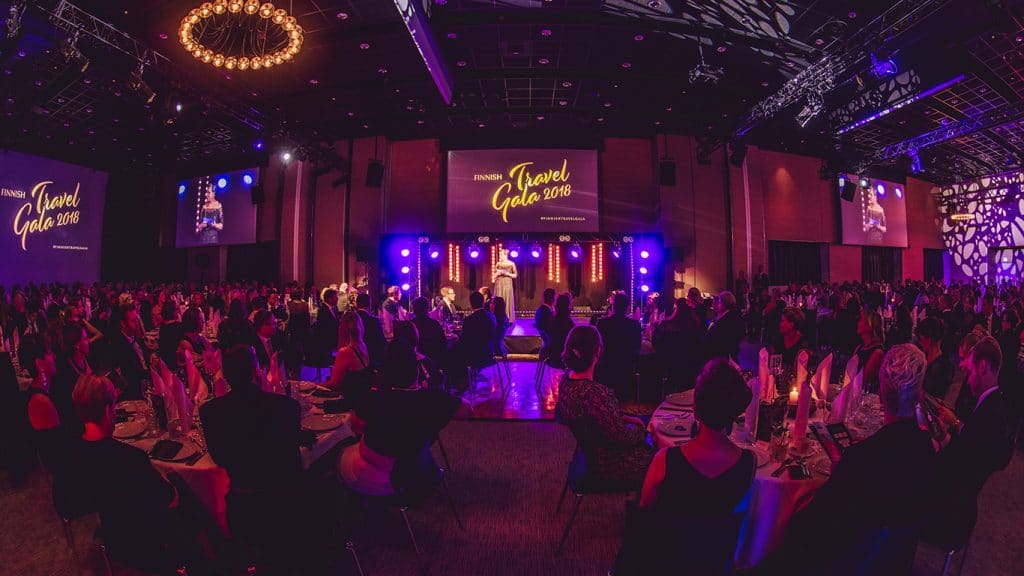
The technical implementation of an indoor and outdoor event differs significantly: outdoors, the technology is exposed to weather, environmental noise and uneven terrain, while indoors, the challenges are related to acoustics, space structures and lighting management. In both environments, sound, lighting and AV technology must be designed from completely different starting points. Below, we will go through the most important questions that every event producer should consider before ordering technical implementation.
What technical requirements differ most between indoors and outdoors?
The biggest differences in the technical implementation of an indoor and outdoor event concern the sound output, equipment protection, power supply and lighting visibility. Outdoors, there are no walls to reflect sound, so significantly more speaker power is needed. Indoors, on the other hand, the acoustics and shape of the space determine how the sound behaves.
At outdoor events, power supply often has to be arranged with aggregates or generators, as a fixed electricity grid may not be available. Indoors, electrical points are usually close by, but for large events, their capacity must also be checked in advance. In addition, all equipment outdoors must be selected so that it can withstand moisture, dust and temperature fluctuations.
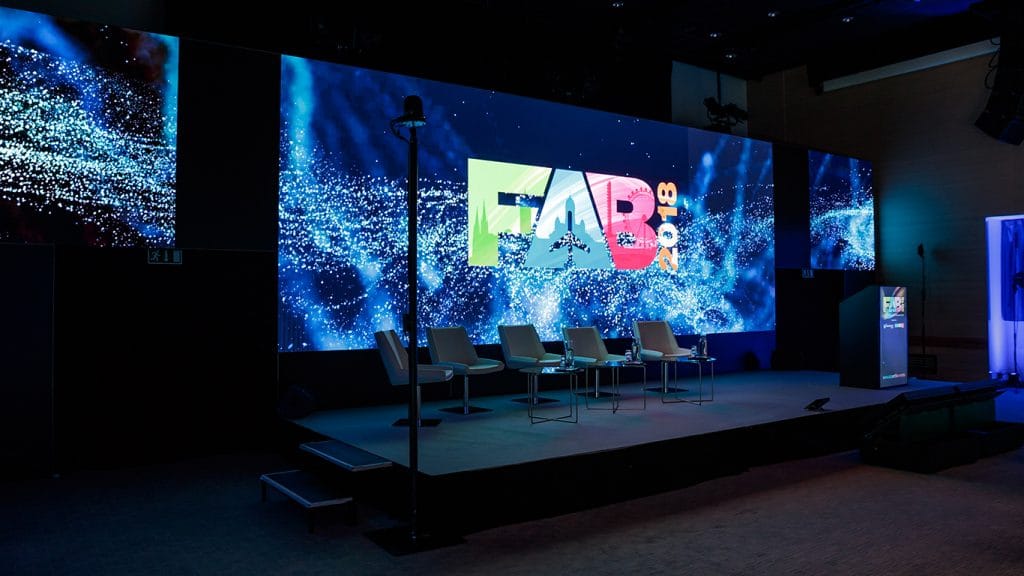
The way structures are hung also differs: indoors, lights and speakers can often be safely attached to the ceiling, while outdoors, separate trusses, or steel structures, are needed and erected on site.
How is sound designed for an outdoor event?
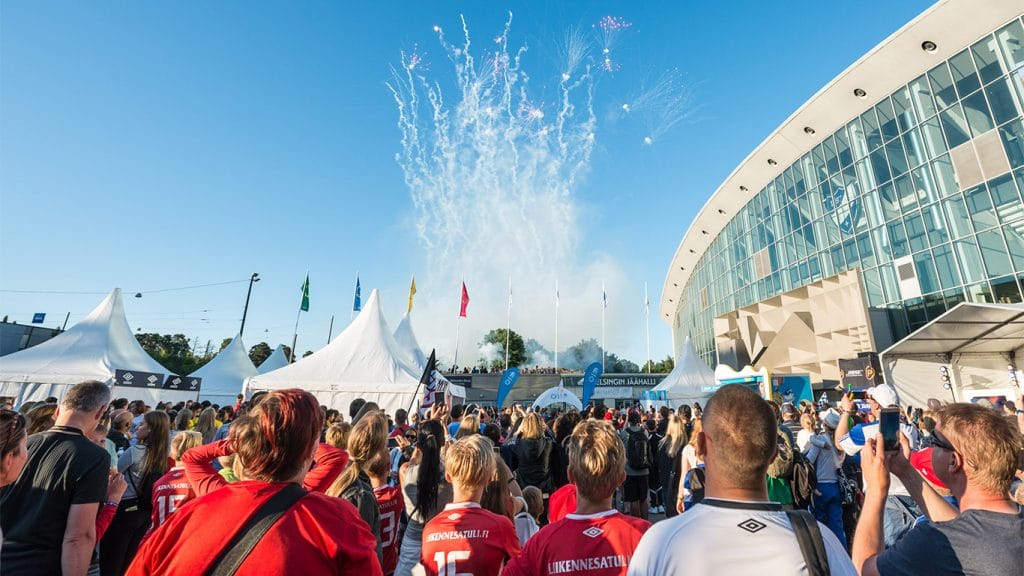
The sound system for an outdoor event is designed by calculating the coverage area, assessing the ambient noise, and selecting sufficiently powerful speakers, which are protected from the weather with weatherproof enclosures. Sound does not reverberate outdoors, so line array systems, i.e. vertically arranged rows of speakers, are a common choice for larger events.
The design must also take into account the neighborhood and any noise restrictions. Professionally implemented sound reproduction uses sound level meters and directs the speakers precisely to the audience area, so that the sound does not escape unnecessarily into the environment. Monitoring, i.e. the performers' own headphones or stage speakers, must also be planned separately, since there is no natural sound reflection outdoors.
For smaller outdoor events, a simpler system is often sufficient, but for an audience of just a few hundred people, it is worth considering a professional sound plan to ensure consistent sound quality throughout the area.
What challenges does the weather bring to the technology of an outdoor event?
Weather is the single biggest risk factor in the technical implementation of an outdoor event. Rain, humidity, wind and sudden temperature fluctuations can damage unprotected technology, cause electrical hazards and significantly shorten the lifespan of equipment.
Humidity and rain
All equipment used outdoors must be protected from moisture. Sound consoles, amplifiers and lighting controllers are placed in covered technical tents or booths. Cables suitable for outdoor use are used for cabling, and all connectors are protected watertight. Rain covers and canopies are mandatory, not optional.
Wind and temperature
Strong winds can topple lightweight structures and disrupt sound reproduction. Trusses and speaker towers must be anchored carefully, and the wind forecast must be checked before the event. High temperatures can overheat amplifiers, so adequate ventilation in technical tents must be ensured. In cold weather, battery capacity decreases and display response times slow down.
What kind of lighting is suitable for an indoor event compared to an outdoor event?
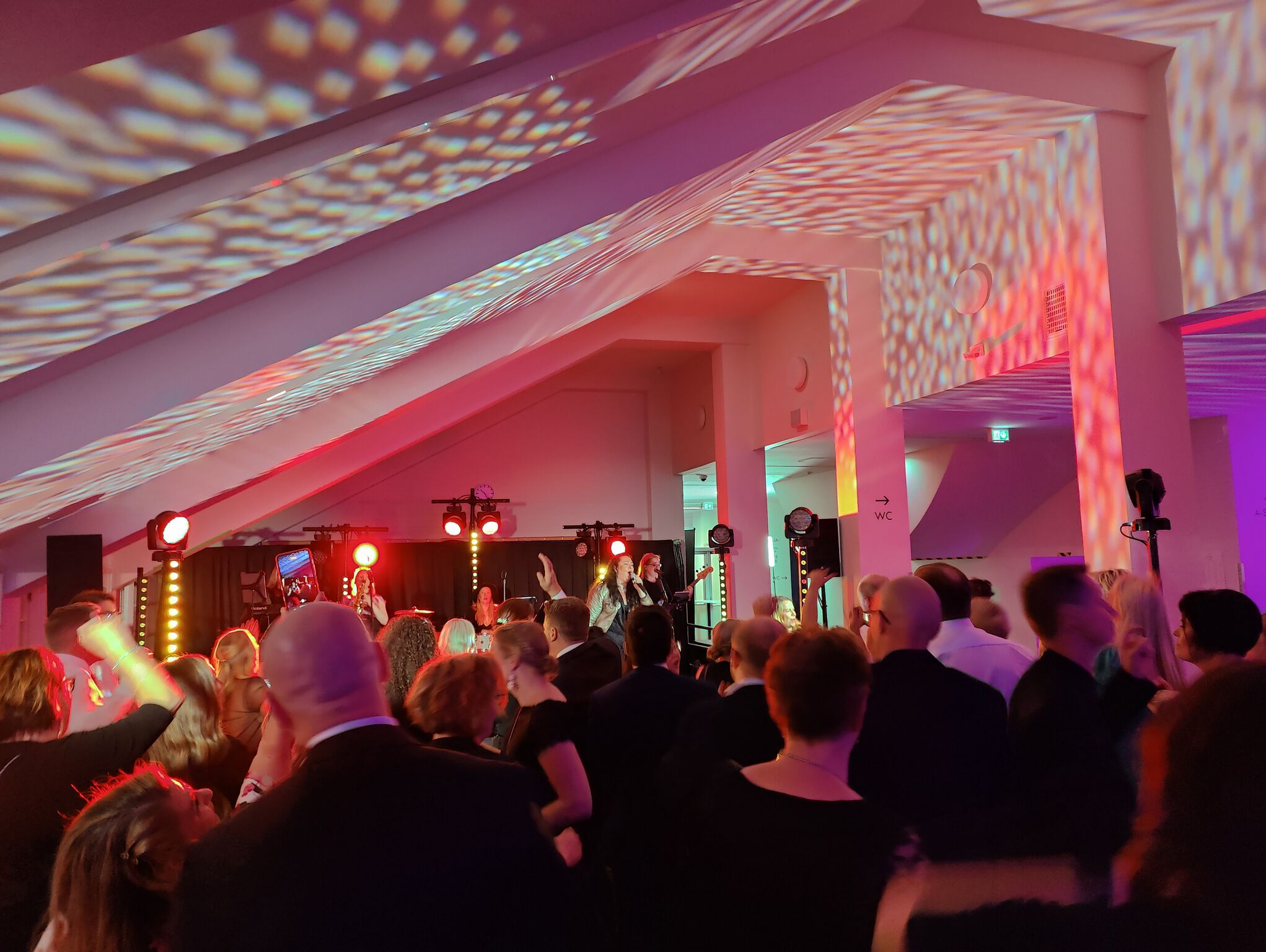
At an indoor event, lighting is often built to create atmosphere and emphasize visual effects, because the environment is controlled and dark. At an outdoor event, daylight competes with lighting effects, so lighting must be sized significantly more efficiently or scheduled for dusk.
Indoors, LED parlets, moving heads and smoke machines work effectively because the space is enclosed and the light is reflected from surfaces. Outdoors, high-power floodlights are needed that are visible even in bright light, and the structures must be designed so that the lighting equipment can withstand outdoor conditions.
In both environments, it is worth creating a lighting plan together with the event program so that the lights support the performances and atmosphere in the right places and do not just burn evenly all the time.
Is it worth purchasing event technology from a professional?
Yes, purchasing event technology from a professional is almost always more profitable than a self-assembled solution, especially when it comes to a corporate event, where technical failure is directly reflected in the experience of the participants and the company's reputation.
A professional brings the right equipment, experience with different spaces and situations, and the ability to react quickly to unexpected problems. Renting technology without installation and operation may seem cheap, but if the sound is distorted or the lighting does not work according to the program, the cost will ultimately be greater than the savings.
At MagnumEvents, we implement event technology both indoors and outdoors and have handled hundreds of assignments annually all over Finland. We always plan the technical implementation based on the content and space of the event, so that the end result is a functional entity and not just a collection of equipment.
Request a quote for your event and tell us the date, location, number of participants and your wishes regarding technical implementation. We will implement a high-quality and personalized event turnkey or just as much as you need help with.