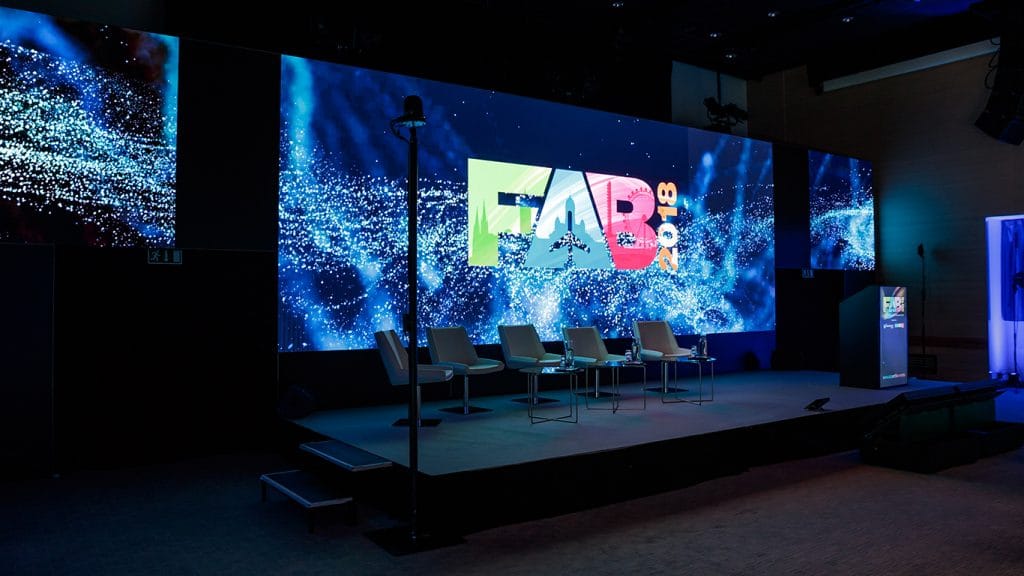
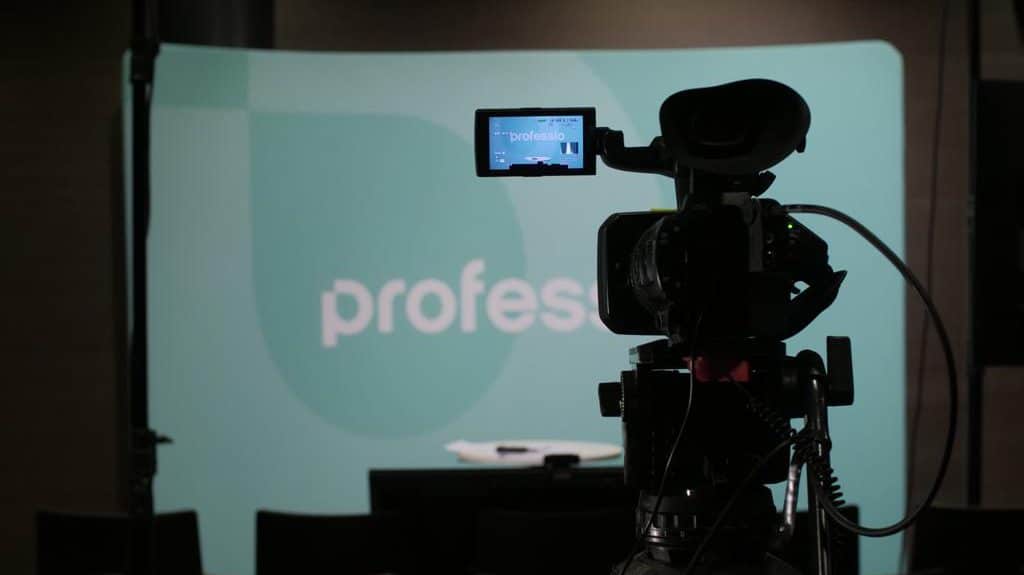
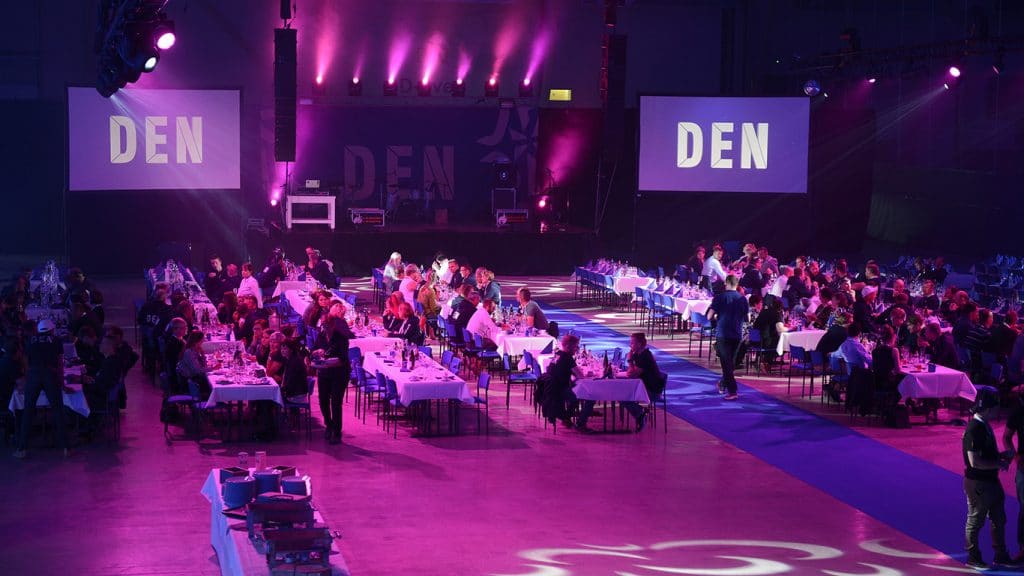
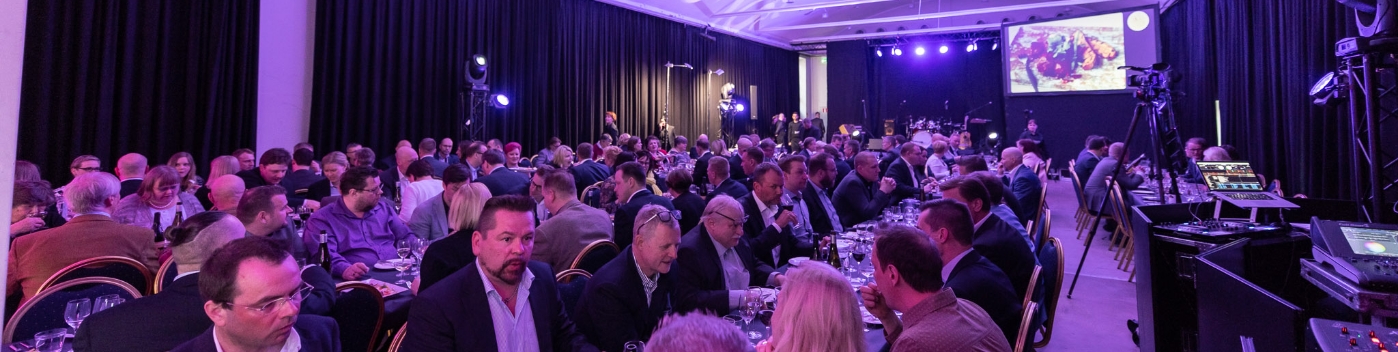
A live event is physically held in a specific location where participants arrive in person, while a virtual event is held entirely in a digital environment via the internet. The main practical difference is related to the method of participation, the intensity of the experience, and the reach. Below, we will go over the most important questions that will help you choose the right format for your corporate event.
Which event is better suited for your company?
A live event is best suited when the goal is to strengthen community, create personal relationships, or provide an immersive experience. A virtual event is the right choice when participants are spread across different locations or countries, the budget is limited, or the event content is primarily informative.
In practice, the choice is primarily influenced by three factors: target audience, objective and budget. If your company wants to reward staff, celebrate an anniversary or strengthen customer relationships, a live event will produce a clearly better result. On the other hand, if it is a large-scale training, product launch for the general public or an international stakeholder event, a virtual format can be both a more effective and cost-effective solution.
How does the attendee experience differ between a live and virtual event?
In a live event, the participant experience is holistic and multi-sensory: people meet face to face, network naturally, and share the atmosphere of the same space. In a virtual event, the experience is more limited, but it allows participation from anywhere without traveling.
The strength of a live event is the spontaneous interaction. Conversations over coffee breaks, a shared meal, or the energy of a performer in the room are things that cannot be fully replicated digitally. These moments build trust and togetherness in a way that will be remembered for a long time.
In a virtual event, interaction needs to be planned more carefully. Chat functions, polls, breakout rooms and Q&A sessions are good ways to keep participants active. The advantage is that the content can be recorded and shared afterwards, so the value of the event continues even after the actual event.
What do live and virtual events cost?
A live event is typically more expensive than a virtual event because it requires space, technology, catering services, and often also accommodation and transportation arrangements. The largest costs of a virtual event arise from the technical platform, content production, and broadcast technology.
The costs of a live event vary significantly depending on the size, location, and content of the event. A small internal event for a hundred people is in a very different category than a large client event or a festival-style corporate event. A virtual event saves on space rental and logistics, but high-quality technical implementation and interesting content still require investment.
It’s important to remember that the cheapest option isn’t always the best. A poorly executed virtual event can leave attendees with a negative impression, while a carefully planned live event will provide many times the value for your investment.
What is a hybrid event and when is it worthwhile?
A hybrid event combines a live event and a virtual event: some participants are physically present, while others follow the event online at the same time. It is suitable when you want to reach a large audience, but maintain the immersive experience of the audience in person.
The hybrid format has grown significantly since 2020, and in 2026 it will be an established way for many companies to organize annual events, seminars and customer days. For example, it can enable international stakeholders to participate without air travel, which is both cost-effective and environmentally friendly.
The challenge of a hybrid event is the technical implementation: both audiences must receive an equal and high-quality experience. This requires professional AV technology, clear program dramaturgy, and often a separate production team to ensure the quality of the online broadcast.
How does the goal of the event influence the choice of format?
The goal of the event is the single most important factor in choosing a format. Networking, motivating, and creating experiences lead to a live event, while sharing information, educating, and reaching a broad audience are best suited to a virtual or hybrid format.
You can ask yourself the following questions before making a decision:
- Is the goal to build or strengthen relationships?
- How widely are the participants spread out?
- Is the content the kind that benefits from a physical presence?
- What is the available budget in relation to the expected impact?
- Do you want to record and share the event afterwards?
When the goal is clear, the right format comes naturally. For example, a staff anniversary party or a customer appreciation event almost always benefits from a physical meeting. On the other hand, a large product presentation, which requires hundreds of participants from all over Finland, often works best as a hybrid or purely virtual event.
At MagnumEvents, we help you choose the right format for your event and take care of the implementation from start to finish. Whether you are planning an intimate live event, an international virtual training or a spectacular hybrid event, we have the expertise and networks to make it happen. Request a free quote for your event and tell us the date, location, number of participants and your wishes. Let's take care of the rest together.