The technical implementation of an event refers to all the hardware, system and personnel solutions that enable the smooth running of the event and an immersive experience. It covers sound, lighting, video technology, streaming and the coordination of all of these into a functioning whole. In the following sections, we will go through the most important aspects of technical implementation, the costs and when it is worth hiring a professional.
What does technical implementation involve?
The technical implementation of an event includes sound, lighting, image and video technology, display solutions, streaming and recording services, and stage and stage structures. In addition to these, technical production often includes network connections, interpretation systems, and the design, installation, operation, and dismantling of all equipment.
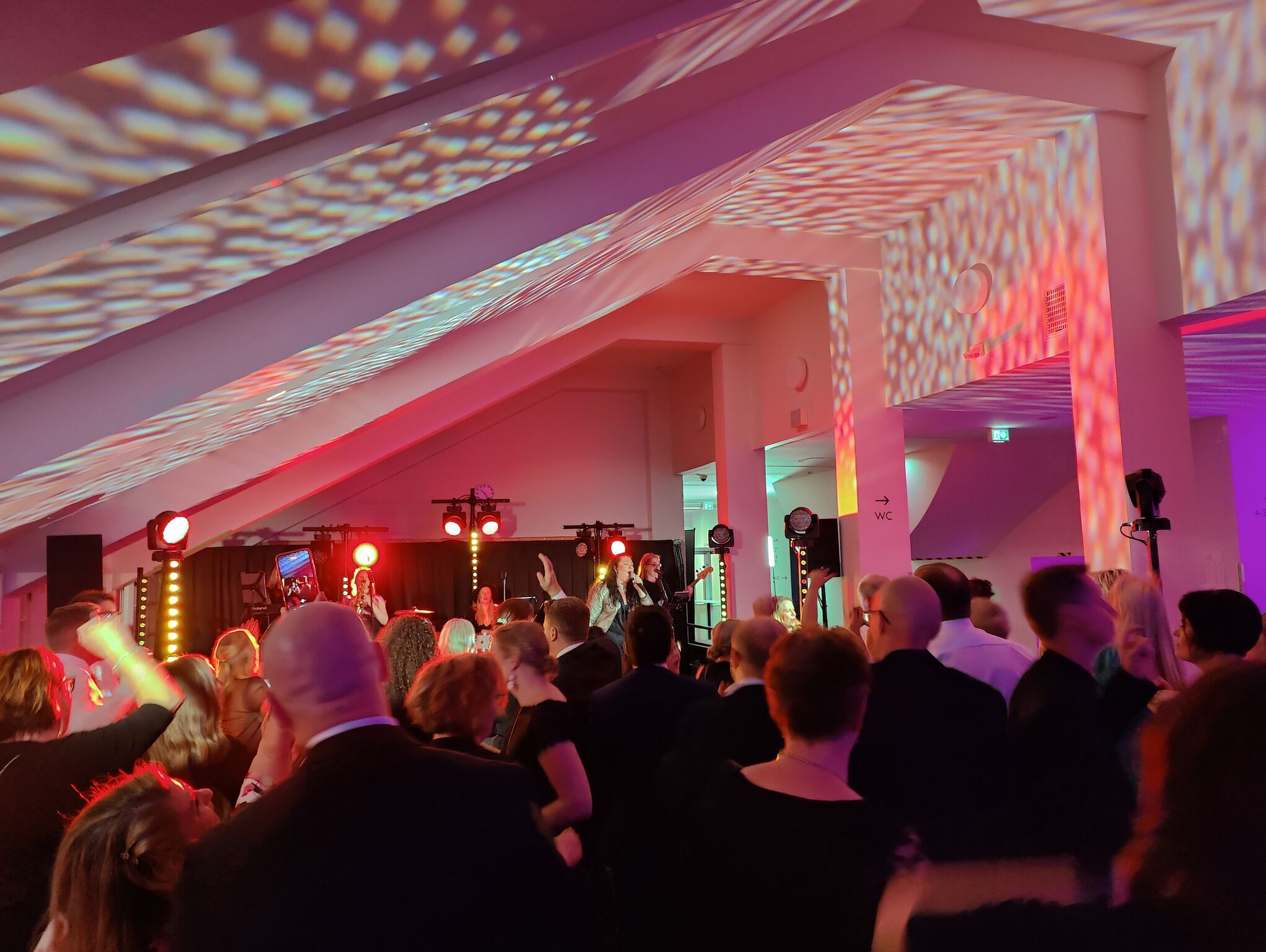
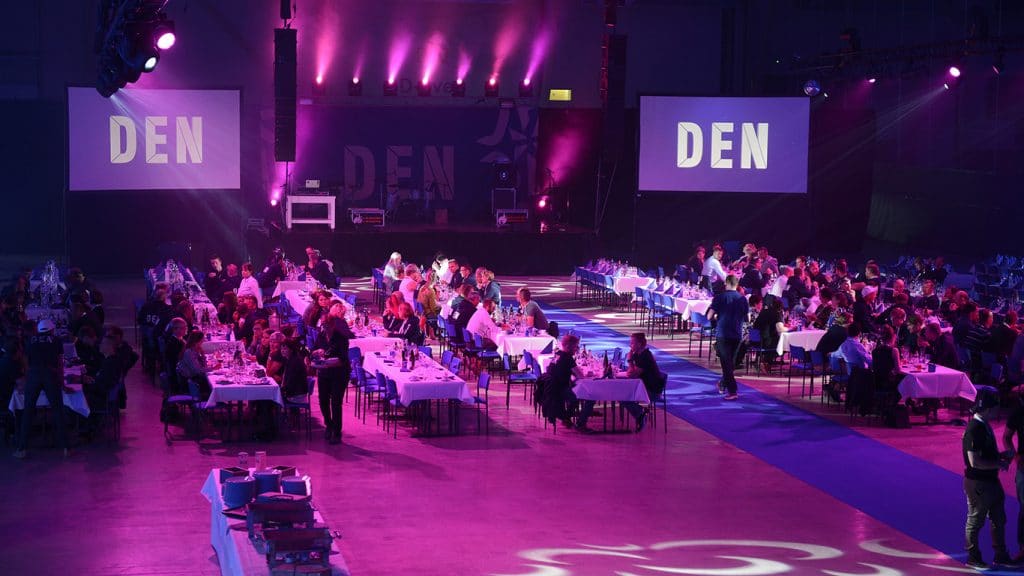
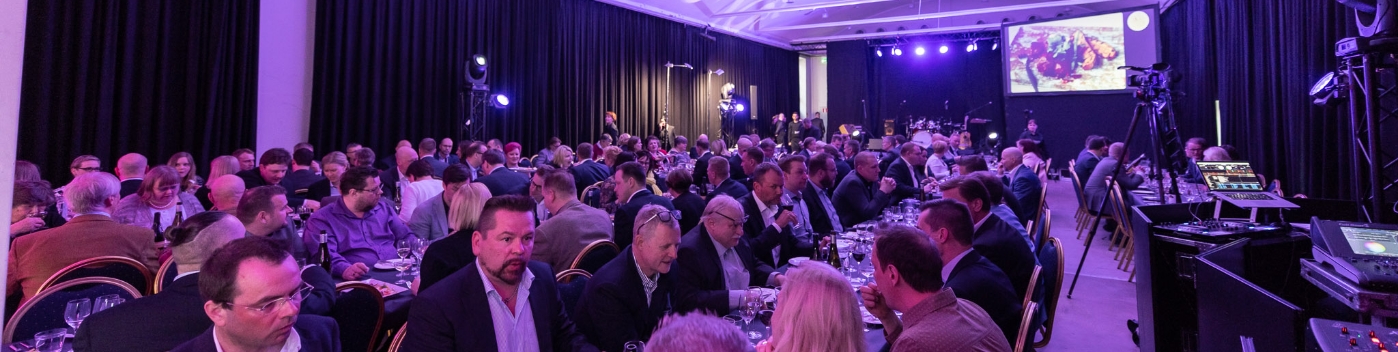
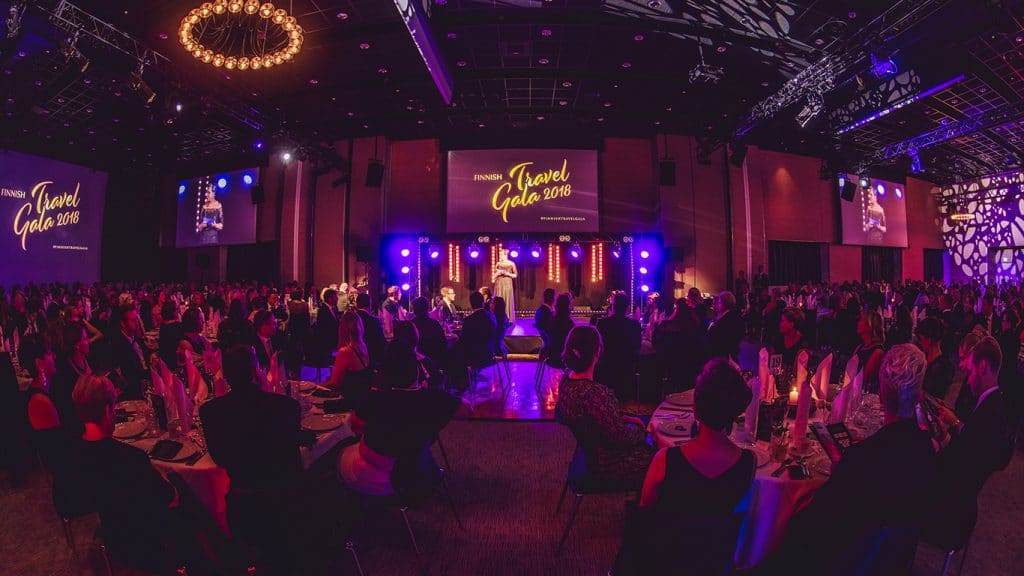
In practice, event technology is divided into a few key areas. Sound is often the single most important factor: microphone solutions, mixing and speaker systems largely determine whether the audience perceives the event as professional or not. Lighting , on the other hand, creates the atmosphere, directs attention to the right objects and makes the stage image visually interesting. The sound and light of an event always go hand in hand.
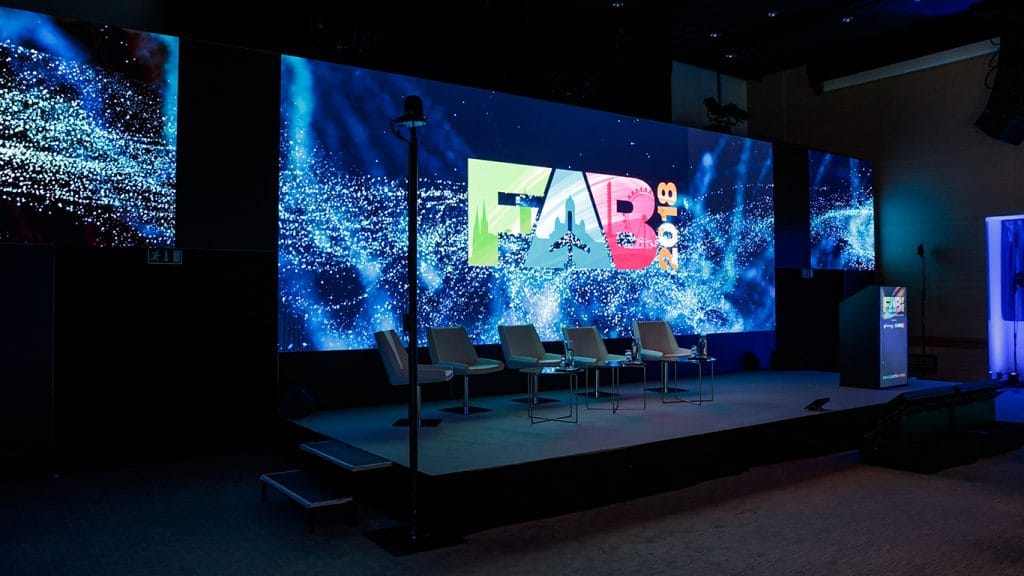
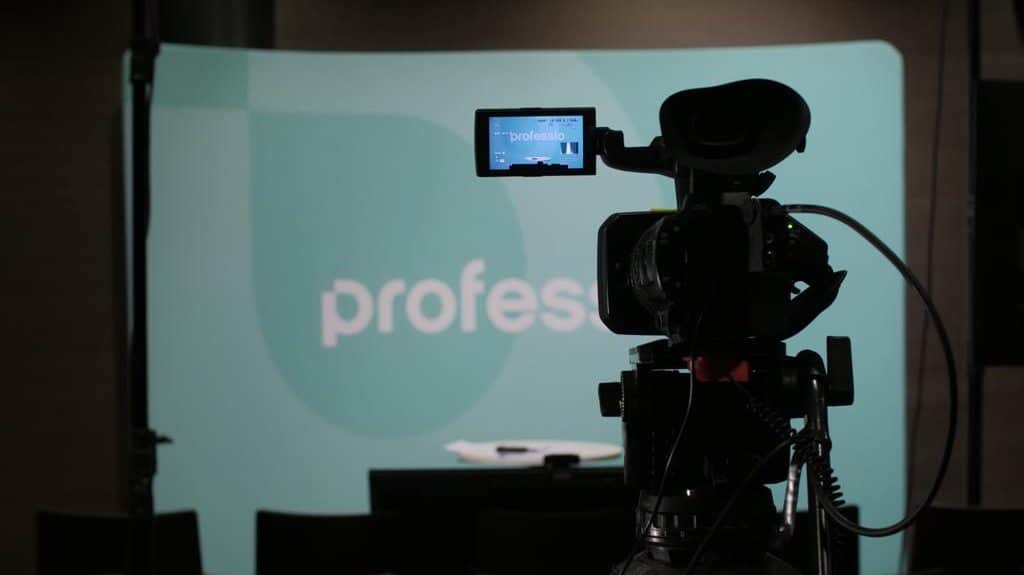
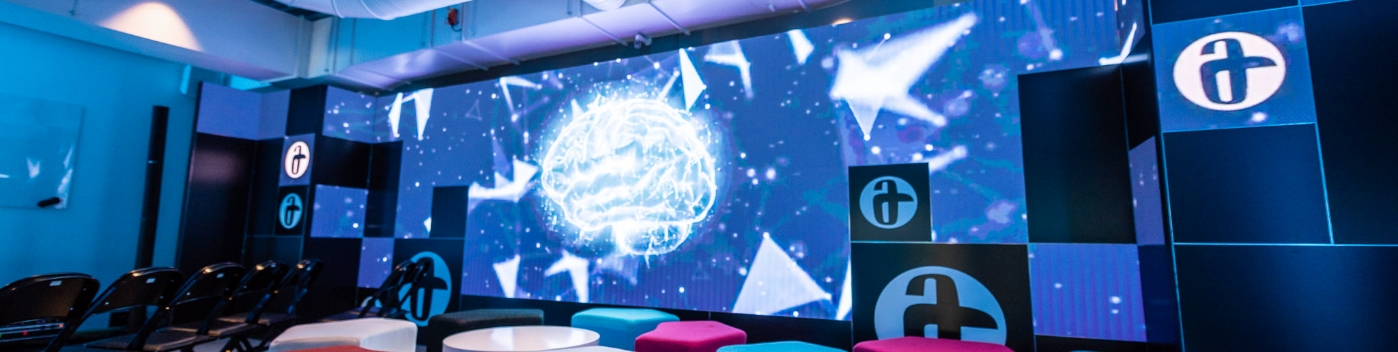
Image and video technology covers projectors, LED walls, cameras and video connections. In large events, this also includes live filming and cockpit technology. Streaming has become a permanent part of technical production, as hybrid events, where some participants follow remotely, have become an established part of everyday corporate events.
How does technical implementation affect the success of an event?
Technical implementation directly and immediately affects the success of an event: working technology is invisible, but a technical problem interrupts the program, ruins the atmosphere and remains in the minds of participants for a long time. High-quality event technology not only supports the content, but also elevates the entire event experience to a new level.
The audience usually doesn’t notice when the technology is working flawlessly. On the other hand, poor sound quality, a flickering image or poor lighting will distract from the actual content. This means that technical production is always a measure of the quality of the service, even if it is running in the background.
Technical implementation also affects the performance of performers and speakers. When monitoring works, the sound level is correct, and the lighting supports the performance, the speaker or artist is able to focus on the content and not on distractions. This is directly reflected in the audience experience.
What is the difference between a technical producer and an AV editor?
An AV supplier supplies and installs equipment such as sound, lighting and video technology. A technical producer, on the other hand, is responsible for planning, coordinating and managing the entire technical package on the day of the event. The technical producer is the person who ensures that all the technical aspects work together seamlessly.
In practice, an AV supplier can be a subcontractor who brings specific equipment to the event. The technical producer, on the other hand, has overall responsibility: he designs the technical solution according to the needs of the event, tenders and coordinates suppliers, supervises the installation, and operates or manages the technology at the event itself.
For smaller events, one person or company can handle both roles. For more demanding productions, such as large seminars, gala dinners, or company festivals, a technical producer is an essential coordinator who keeps the whole thing under control.
When is it worth outsourcing technical implementation to a professional?
It is worth outsourcing technical implementation to a professional whenever the event has a clear communication or business goal, the audience is more than a few dozen people, or the event includes live performers, speakers, or streaming. The more important the technology is to the success of the event, the more a professional will pay for itself.
Outsourcing is particularly justified in the following situations:
- The venue is foreign and does not have its own technology or technical personnel
- The event includes several simultaneous technical elements, such as lighting programming, live sound and video connections.
- The event is being streamed or recorded.
- Presenters or speakers have specific technical requirements
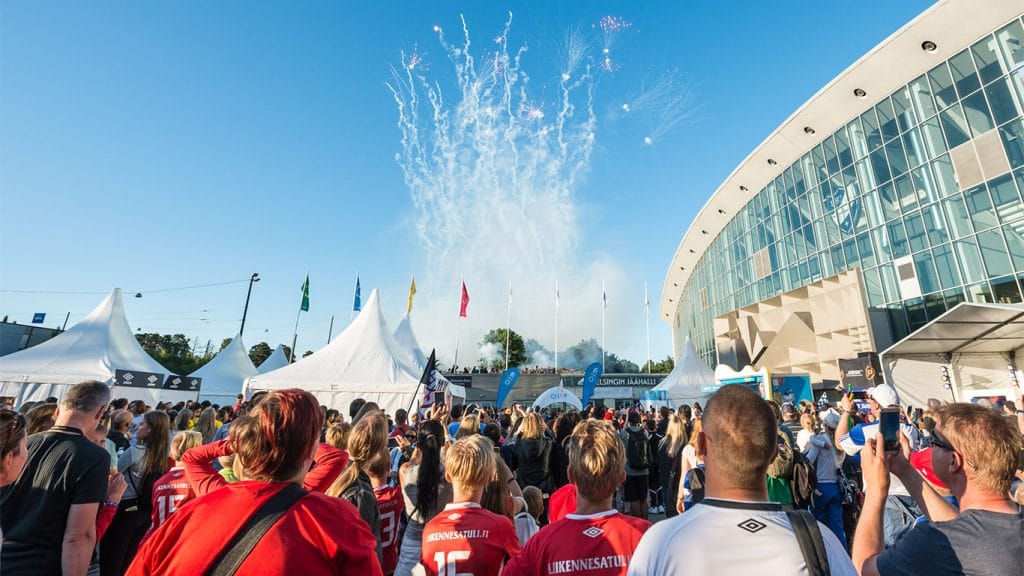
- The event is held outdoors or in an unusual space
Using your own staff for technology may seem like a savings, but it takes resources away from core operations and exposes the event to risks that a professional wouldn't have. At MagnumEvents, we handle the technical implementation so that the client can focus on the content of their event and their guests.
How much does the technical implementation cost at an event?
The cost of technical implementation of an event varies from a few hundred euros to tens of thousands of euros, depending on the size, duration, technical requirements and venue of the event. For a small indoor seminar, basic technology can cost a few hundred euros, while the technical production of a large outdoor event or gala can cost several tens of thousands.
The price is particularly affected by the following factors:
- Quantity and quality of equipment: Professional-grade sound and lighting systems are more expensive than consumer-grade ones, but they also work more reliably.
- Personnel costs: Sound and lighting engineers, cinematographers and technical producers are often the largest single cost item.
- Event duration: Multi-day events increase costs linearly
- Venue: Outdoor events and special spaces require more equipment and planning
- Streaming and recording: Increases costs but significantly expands the reach of the event
The best way to get a realistic picture of costs is to request a quote with your event details. Tell us the date, location, number of attendees, and your wishes, and we will tailor a technical solution that is right for your event. Request a quote for your event and make sure the technology supports your event goals from start to finish.