CORPORATE EVENTS can include almost anything, from meetings and seminars to large outdoor events and company-owned festivals. The content is determined by the event's goal, target audience and budget, and when properly planned, every element supports the desired outcome. In this article, we will go through the most important issues of corporate events, from the program to the technical implementation and starting the planning.
What kind of program can corporate events offer?
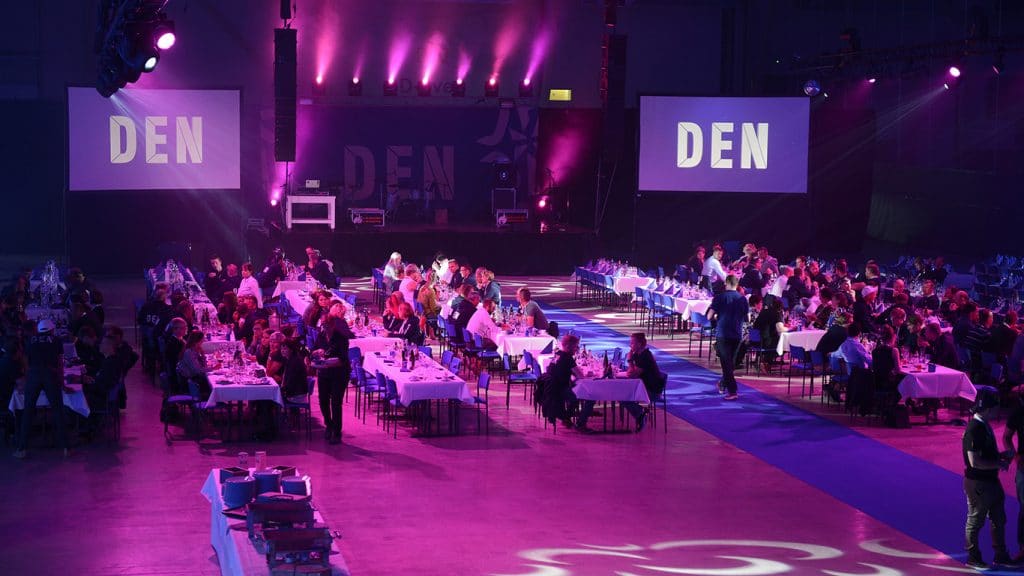
A corporate event program can include keynotes, speakers, workshops, awards, entertainment, and community activities. The format of the program depends on whether you want to inspire, educate, motivate, or reward attendees. At its best, a corporate event program seamlessly combines professional content with experiential entertainment.
The program options are practically limitless. You can invite an external speaker or keynote speaker, organize a panel discussion or quiz, or build a complete program from morning to evening. More entertaining events favor musicians, stand-up comedians, magicians, or interactive activities that get participants moving and interacting with each other.
The host is often the element that ties the program together. A professional host keeps the schedule, creates the atmosphere and ensures that the audience stays involved throughout the entire event. Good program planning also takes into account breaks, meals and networking moments as part of the whole, not just as intermissions.
What technical implementation does a corporate event need?
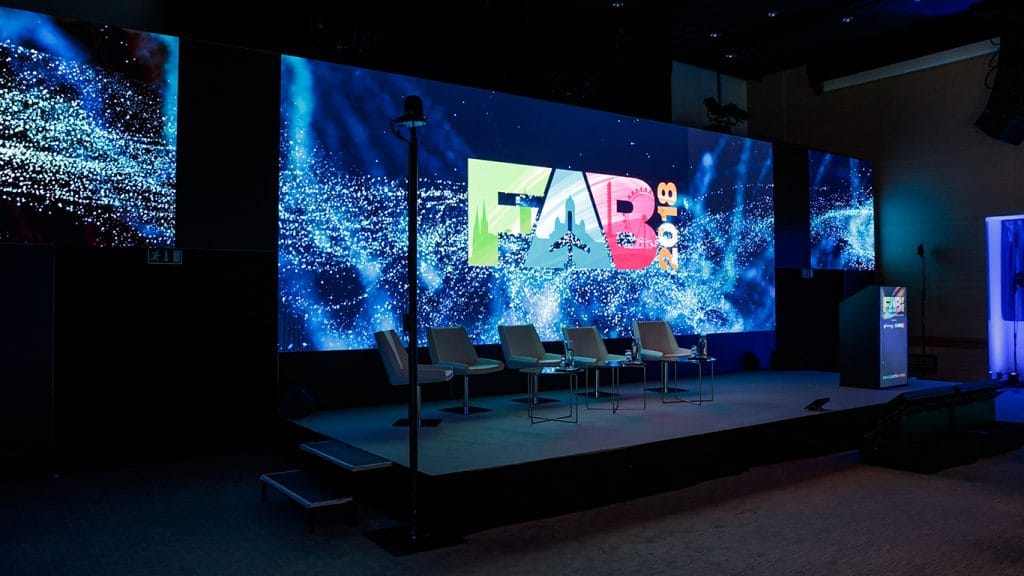
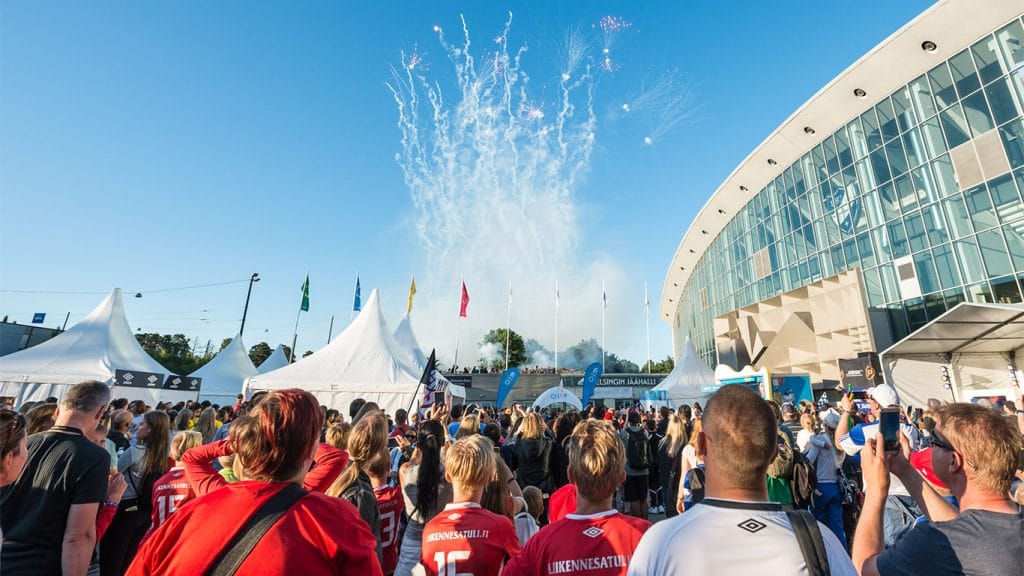
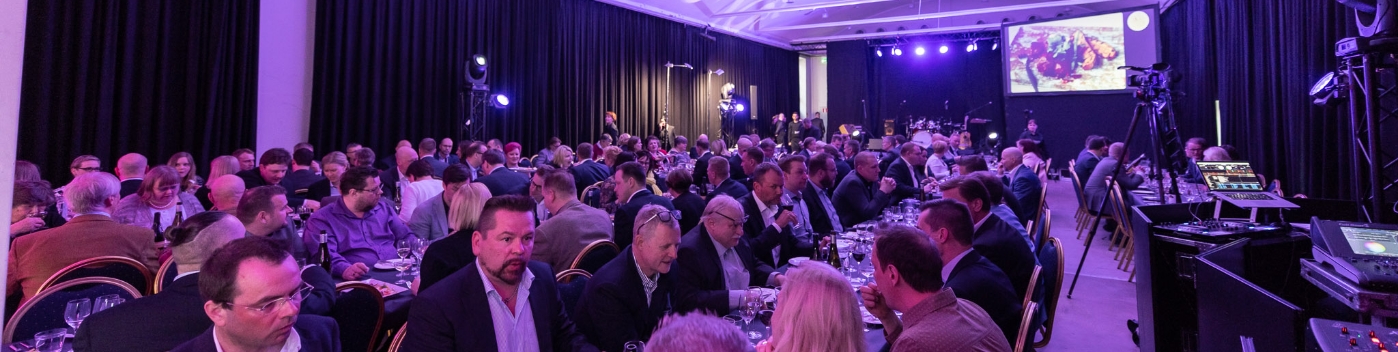
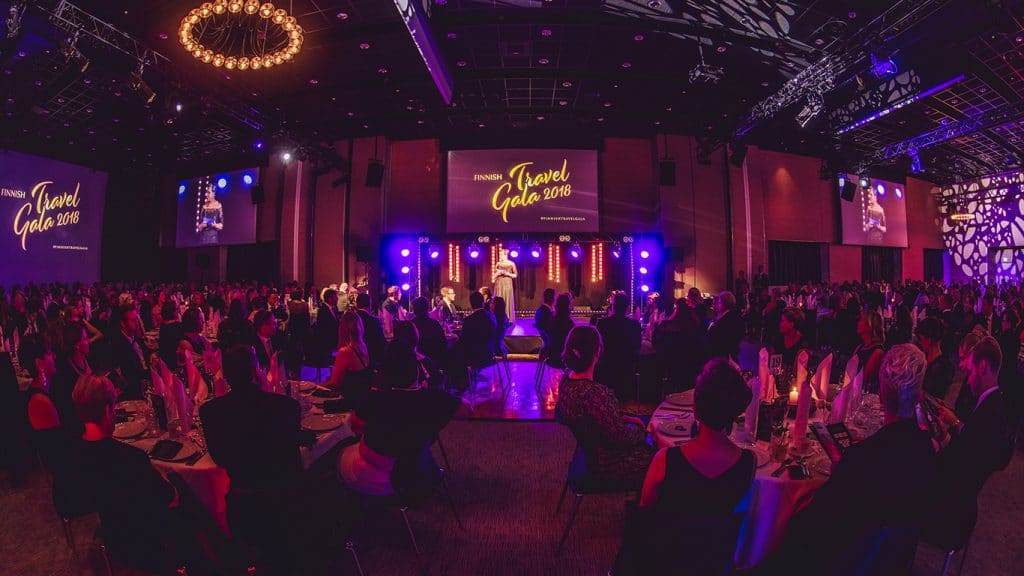
A corporate event typically requires sound, lighting, screens or video projection, and possible streaming or recording solutions. The scope of the technical implementation depends on the size and format of the event: the needs of a small meeting are significantly different from the requirements of a large outdoor event or hybrid seminar.
Technical implementation is often the area that gets too little attention during the planning phase, but which is immediately visible to participants if something goes wrong. Poor sound or a blurry screen can ruin the atmosphere of an otherwise successful event. That's why it's important to plan the technology around the content of the event, not the other way around.
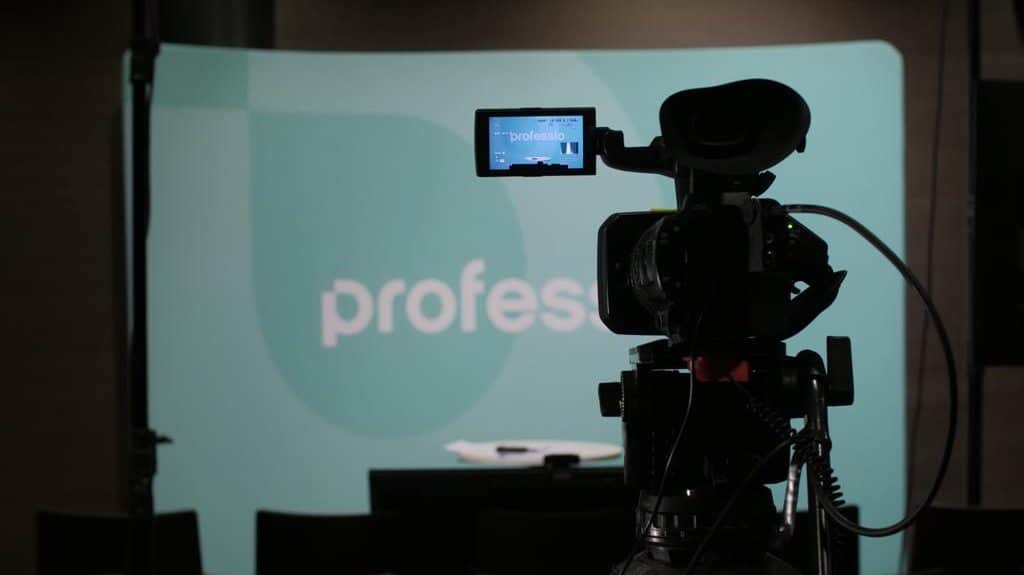
Hybrid events, where some participants are present and some are watching remotely, place their own special demands on the technical implementation. A high-quality streaming solution, a working network connection, and a clear camera image are prerequisites for remote participants to feel like they are truly involved in the event.
Can an event agency handle the entire event turnkey?
Yes, an event agency can handle a corporate event completely turnkey, from planning to implementation and dismantling. This means that the client defines the goals and conditions, and the agency is responsible for everything else: the program, technology, facilities, performers and practical arrangements.
The turnkey model is especially suitable when the company does not have its own event expertise or the resources to coordinate several different suppliers. It also significantly reduces the workload and risk for the client, as one responsible party manages the entire project. At MagnumEvents, we handle approximately 4,000 assignments annually, so our processes and collaboration networks are well-honed.
On the other hand, you can also order partial implementation from an event agency, for example just the technology, performers or a presenter, if the company already has other arrangements in place. Flexibility is key, and a good event agency will adapt to the client's needs in both directions.
What size companies are the events suitable for?
CORPORATE EVENTS are suitable for companies of all sizes, from small teams to large corporations. The scale, budget and program of the event are scaled according to the size and goals of the company, and an event organized with a small budget is in principle no less valuable than a large spectacle.
For small businesses, corporate events are a great way to strengthen team spirit, reward staff, or meet with clients in a more informal setting. For larger organizations, events can serve more strategic purposes, such as brand building, stakeholder communication, or large-scale employee motivation.
The number of participants can vary from a few dozen to several thousand. The most important thing is not the size, but that the event meets the set goals and leaves a positive memory for the participants. Organizing a corporate event is just as successful for a startup in the growth phase as it is for a large company with a long history.
How should you start planning a corporate event?
When planning a corporate event, it is a good idea to start by defining the event's goal, target audience, time and budget. These four factors guide all other decisions, such as choosing a venue, program structure and technical implementation. Without a clear goal, it is difficult to assess whether the event was successful.
When planning your practice, it is recommended to proceed in the following order:
- Goal definition: What do you want to achieve with the event? Motivate staff, engage customers, launch a product?
- Target group and number of participants: Who is the event aimed at and how many people are coming?
- Time and place: When will the event be held and where will it be held?
- Budget: What is the total budget available?
- Program and content: What happens at the event, who performs and who hosts?
- Technical implementation: What technology does the event require?
The earlier you start planning, the better your chances of securing the desired space, the best performers, and a smooth execution. A rushed event is possible, but it significantly narrows down your options.
If you want to ensure that your corporate event is a success from start to finish, ask us for a quote . Tell us the date, location, number of participants and budget of the event, and we will build a package that suits your needs.