The key tasks of an event producer behind a successful seminar
A professional event producer acts as the backbone of a successful seminar and is responsible for the seamless functioning of the whole. This multi-skilled professional manages the details of both strategic planning and practical implementation. The event producer is responsible for creating clear schedules, defining the budget, coordinating the cooperation of different actors and ensuring that the content and technical elements of the seminar support the goals of the event.
Professional event production is critical to the success of a seminar. Without experienced professionals, seminars often face challenges that directly impact the participant experience. The most common problems include poor sound, technical glitches in presentations, missed schedules, and lack of coordination. These problems not only disrupt individual presentations, but can also undermine the goals of the entire event and weaken the organizer’s professional image.
An experienced event producer anticipates potential challenges and builds contingency plans for unexpected situations. Professionalism is also reflected in the ability to solve problems discreetly and quickly - everything appears to the participant as a smooth and well-considered whole. In addition, an event producer understands the strategic goals of the event and is able to make the right operational decisions based on them at every stage of production.
Technical implementation at the heart of the seminar – MagnumEvents' approach
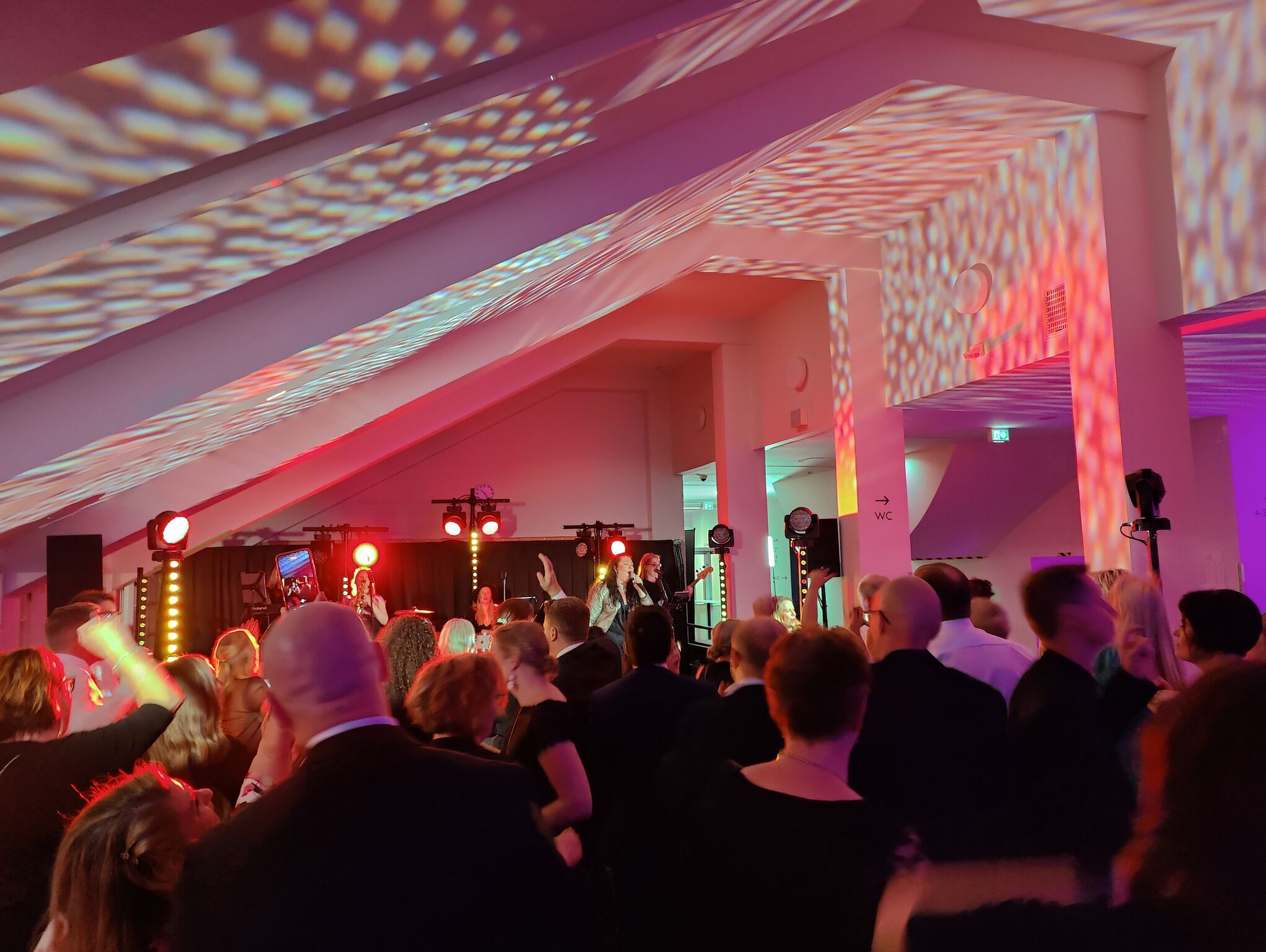
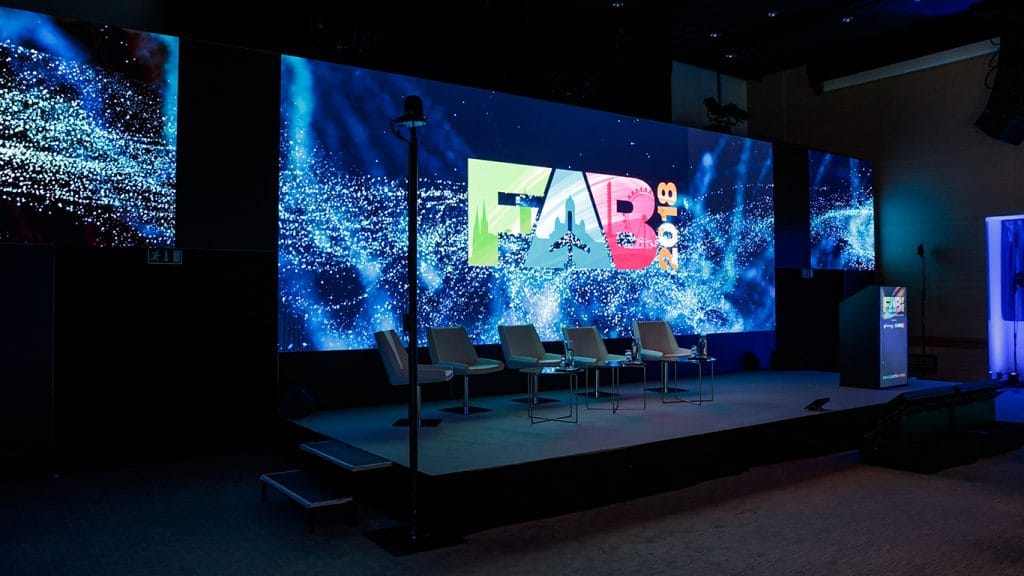
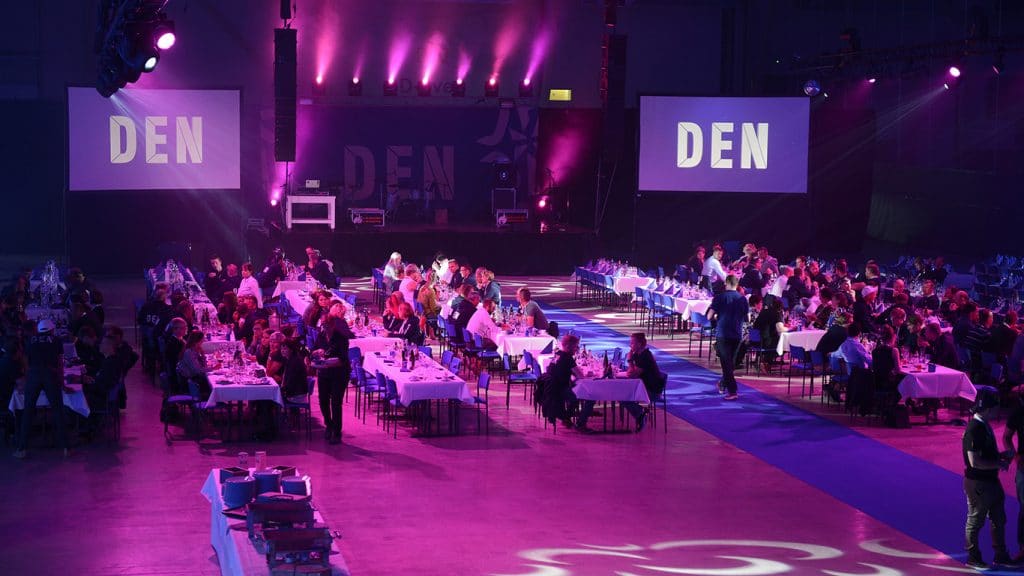
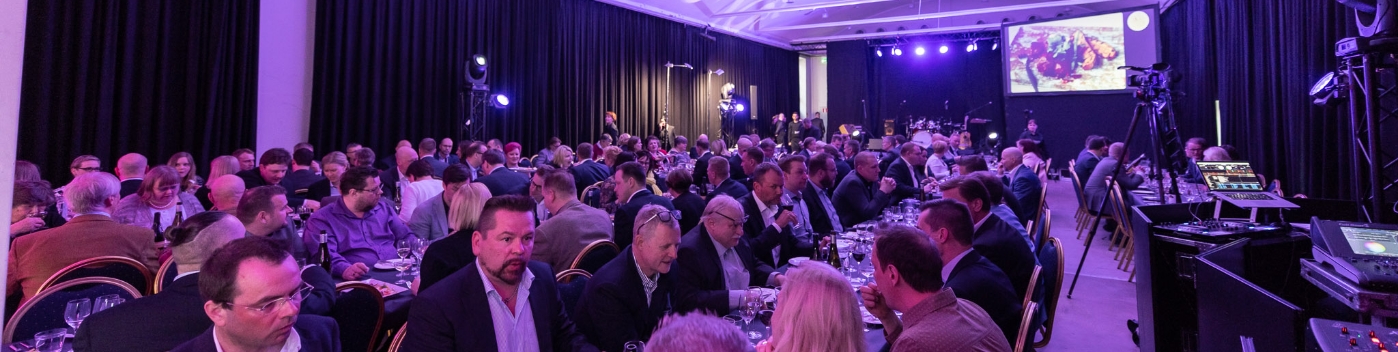
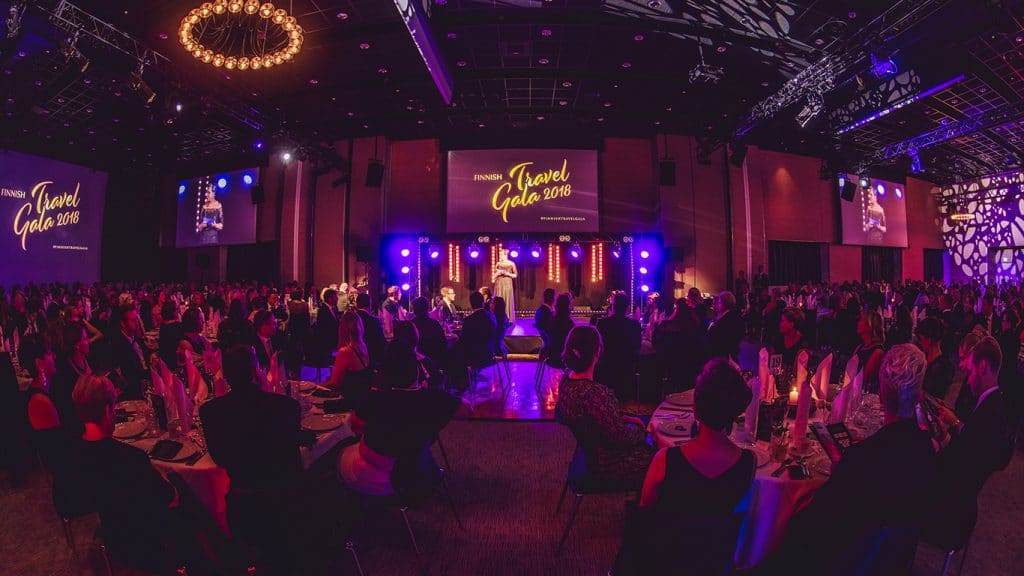
The technical implementation of a seminar creates the foundation on which the success of the entire event is built. High-quality sound, effective lighting and professional presentation systems are essential elements in creating an impressive seminar experience. Technical solutions should support the speakers and content, not dominate them – at best, the technology works so seamlessly that the audience doesn’t even pay attention to it.
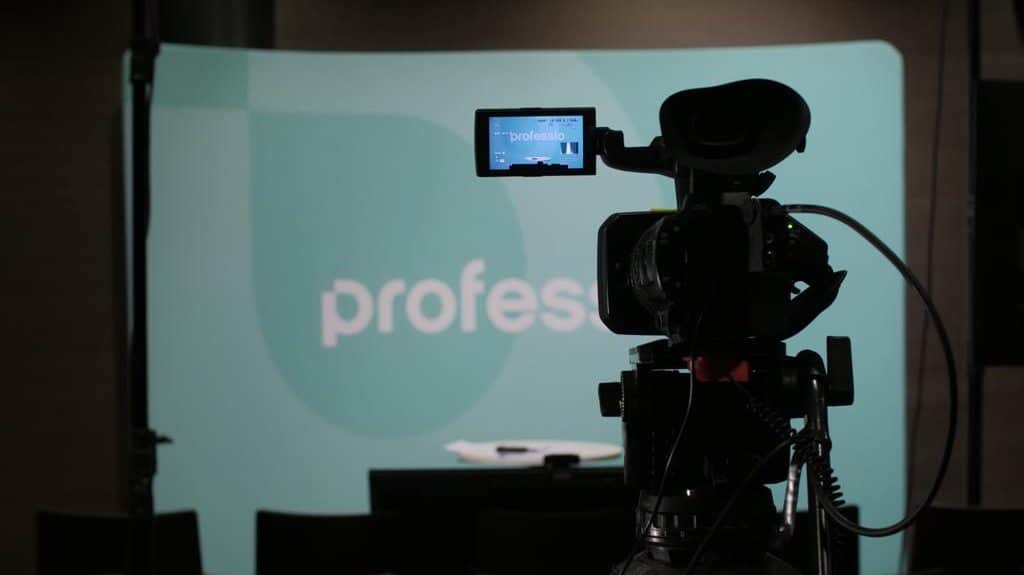
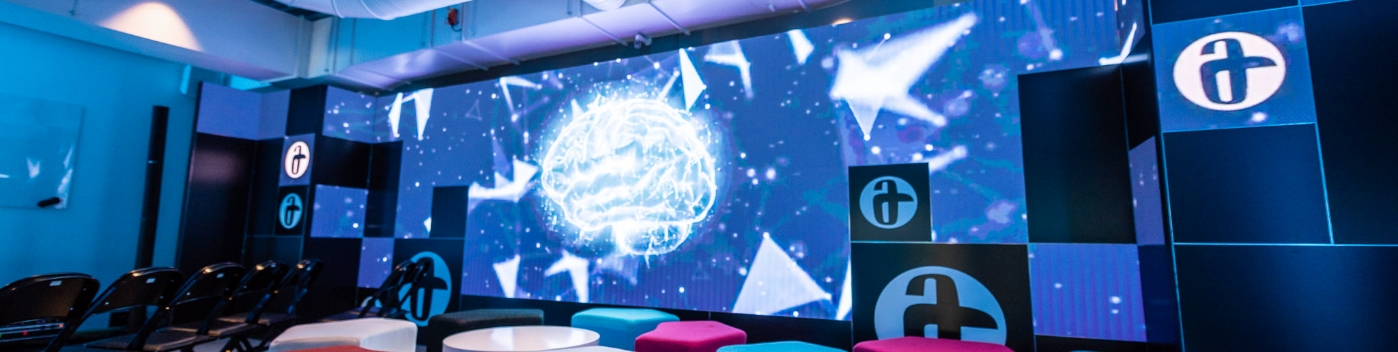
MagnumEvents technology solutions are designed to meet the needs of seminars of various sizes and types. We use modern digital sound systems, high-quality projectors and screens, and professional lighting equipment. As hybrid events become more common, we have invested in streaming solutions that enable high-quality remote participation. Our technical team consists of experienced professionals who not only master the equipment, but also their creative use to create different moods and impressions.
During the implementation, we focus especially on preventing technical disruptions. This means carefully testing all equipment, building backup systems for critical functions, and being constantly ready to react quickly to potential problems. During the seminar, our technical team monitors the operation of the systems and is ready to assist the performers to ensure a seamless presentation experience.
Seminar production process: from planning to implementation
Successful seminar production follows a clear and tested process. The work always begins with a thorough mapping of the client's goals - what do you want to achieve with the seminar, who is it aimed at and what is its key message? After this, the planning phase begins with a detailed project plan , which includes precise scheduling, resource definition and division of responsibilities.
MagnumEvents’ process model stands out from its competitors, especially due to its flexibility and customer focus. We divide the production process into clear stages, but tailor each project to the customer’s needs. Pre-planning, technical design, logistics, event-time production and post-production form the backbone of our process. An essential part of our operating model is continuous communication – we keep the customer informed throughout the production process with clear and proactive communication.
As event production professionals, we understand that careful resource management is key to a successful seminar. We define and schedule the necessary resources, such as personnel, technology and materials, early on, thus avoiding surprises as production progresses. In particular, we emphasize sufficient build-up time and technical training before the event, which ensures a smooth implementation on the day of the event itself.