Hybrid events have established themselves in modern event production. By combining physical and virtual participation, they offer unique opportunities to reach wider audiences and create new kinds of experiences. However, from the perspective of an event producer, implementing a hybrid event requires special expertise and careful planning. A successful hybrid event requires mastery of both the traditional event and the digital environment, technical expertise and a holistic view. In this article, we share our experiences and practical tips for implementing a successful hybrid event.
Challenges and opportunities of hybrid events today
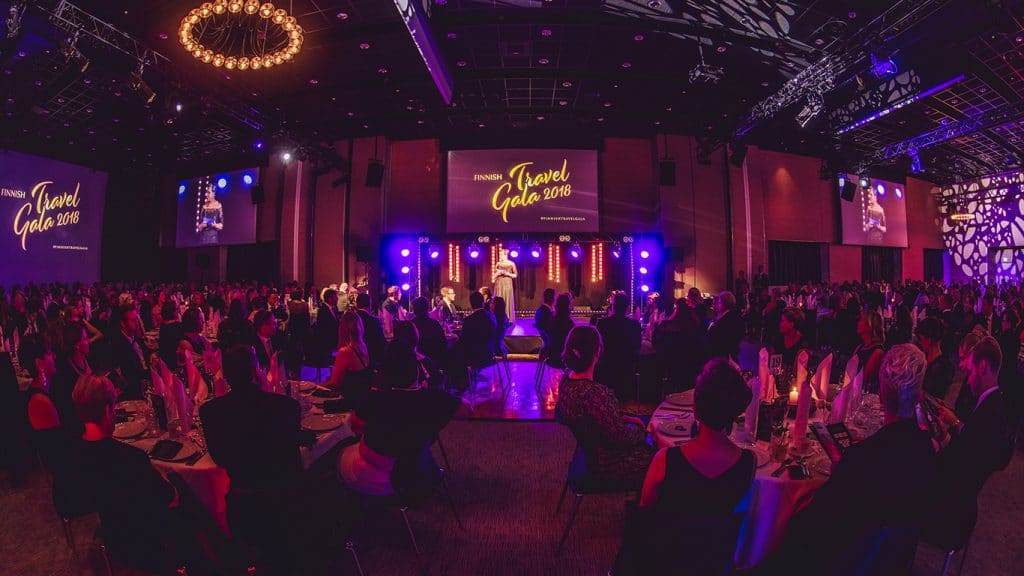
Organizing hybrid events brings unique challenges. From a technical perspective, comprehensive expertise in both traditional event technology and digital platforms is required. Serving two different audiences at the same time also requires special attention: how to ensure an equal experience for both on-site and remote participants? Scheduling production, coordinating live streaming, and resolving potential technical issues in real time add to the complexity of the event.
To counterbalance these challenges, hybrid events offer significant advantages over traditional events. First, they enable a significantly wider range of participants, without the constraints of geography. This makes events more cost-effective and ecologically sustainable. In addition, hybrid events allow for more diverse content sharing, the use of various digital tools, and the ability to save event content for later use. The hybrid model also offers flexibility for participants, which is often reflected in increased attendance and engagement.
Technical requirements for a successful hybrid event
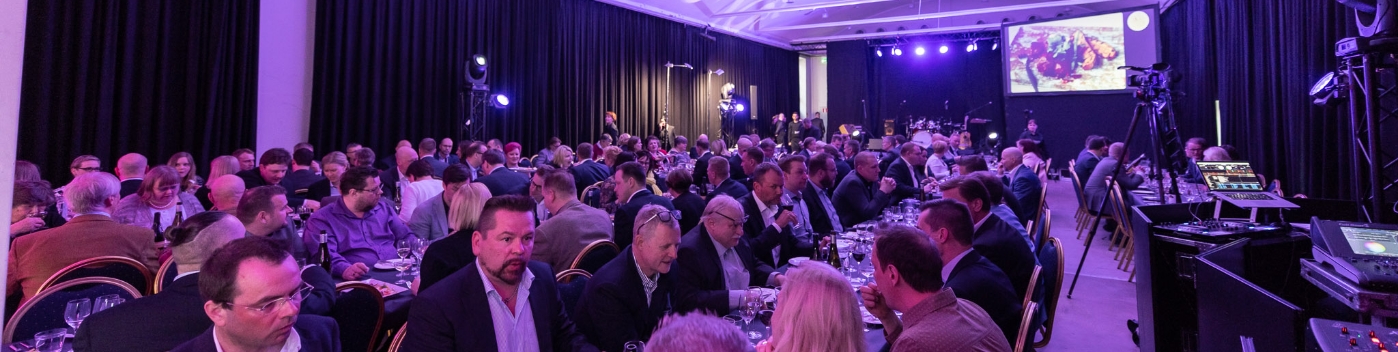
At the heart of a successful hybrid event is high-quality technical implementation. High-quality audio is an absolute prerequisite – remote participants must hear all presentations and speeches clearly. This requires professional-quality microphones, sound equipment and careful audio mixing. The importance of lighting is emphasized in hybrid events, as poor lighting can make the video image unclear and make it difficult to follow the presentations remotely.
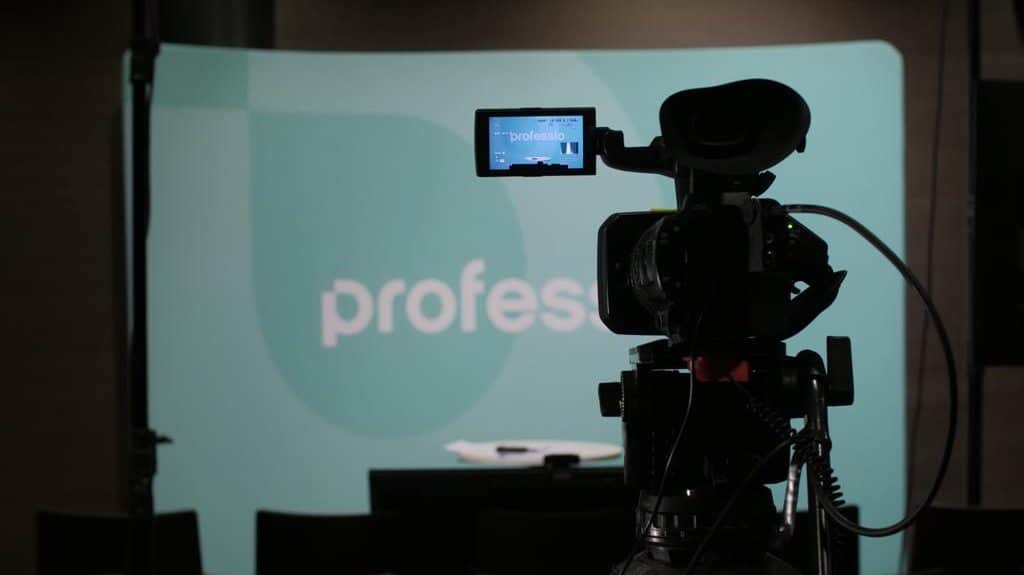
Camera production planning is one of the most critical elements in a successful hybrid production. Multiple cameras are needed to capture different angles, a skilled director, and a technical team to manage the video stream. MagnumEvents productions utilize at least three cameras to ensure a high-quality video streaming experience. The choice of streaming technology has a significant impact on the end result – a high-quality platform solution ensures a stable broadcast for all participants. Network connections must be fast and reliable, preferably duplicated in case of possible disruptions. We have invested in cutting-edge technology and mobile backup technology to ensure a smooth event even in unexpected situations.
Participatory content strategy for hybrid events
The content strategy must be designed from the outset with both audiences in mind. Remote attendees should be given equal opportunities to participate in all elements of the event. In practice, this means that every program item and activity is designed with both those physically present and those participating virtually in mind. A successful hybrid event will paced the program appropriately – long, one-way presentations do not work as well as dynamic, participatory elements.
Interactivity is the lifeblood of a hybrid event . Practical tools include various voting and survey applications, chat functions and social media integrations. MagnumEvents has extensive experience in implementing various interactive elements – we have found that, for example, Q&A sessions that collect questions both on-site and online are particularly effective. When scheduling content, it must be taken into account that remote participants often have a more limited attention span, so planning breaks and activating segments is emphasized. We always make a clear plan for how to take both audiences into account at each stage of the event.
Start planning your hybrid event with professionals
The key success factors for a successful hybrid event are comprehensive planning, high-quality technical implementation and consideration of both audiences. From the perspective of the event producer, sufficient advance planning and cooperation with technical experts are essential. The production of a hybrid event begins with defining goals, analyzing the target group and mapping technical requirements.
At MagnumEvents, we help our clients plan hybrid events from start to finish. Our service process starts with mapping out goals and needs, progresses to detailed technical and content planning, and ends with professional implementation. Each event is tailored to the client's needs. Contact our experts and we'll start planning your hybrid event together!