It is a good idea to divide your corporate event budget so that the largest portion goes to venue rental and technology, the second largest to the program and performers, and the rest to catering services, communications, and smaller operational expenses. A good rule of thumb is to divide your budget into three main categories: setting, content, and services. However, the nature of the event and the number of participants will affect how the emphasis is placed in practice. In this article, we will go through all the key budgeting issues so that you can plan your event realistically and effectively.
What are the costs of a corporate event usually divided into?
The costs of a corporate event typically fall into five main categories: venue, technology and AV equipment, program and performers, catering, and communications and marketing. In addition to these, it is always a good idea to budget for unexpected additional costs that arise in almost every event.
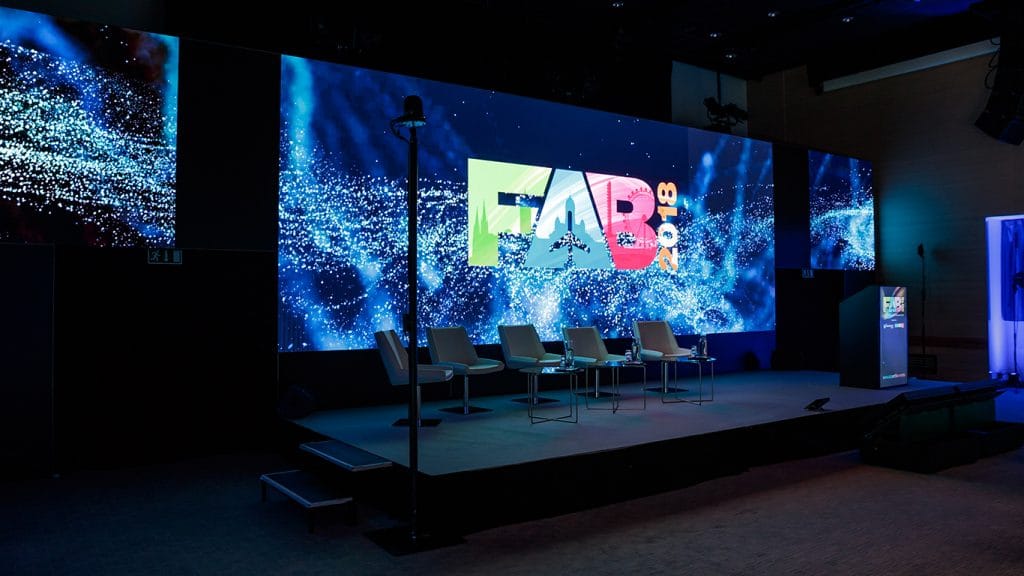
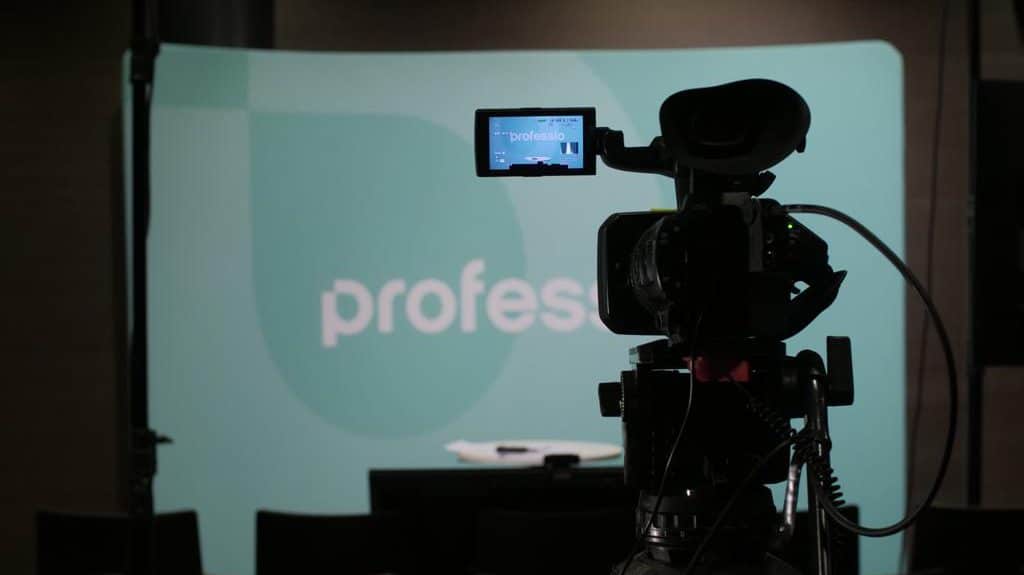
Event space rental is often the largest single expense, especially when the event is held in a commercial venue or hotel. Technical implementation covers sound, lighting, display equipment and possible streaming. Program costs vary greatly depending on whether professional performers, speakers or other content producers are used. Catering is a significant expense at many events, and its price depends on the level of service and the number of participants. Communication costs include invitations, social media advertising and possible printed materials.
How much budget is needed for a corporate event?
The budget for a corporate event varies significantly depending on the type, size and objectives of the event. A small internal meeting or team day can be managed for a few thousand euros, while a larger annual celebration or client event for a hundred or more people can easily require tens of thousands of euros.
As an example, a corporate event for around 50 people, with space, technology, a program and catering, often costs between 5,000 and 15,000 euros. For larger events involving several hundred people, the budget can easily rise to 30,000–80,000 euros or more. The size of the budget is particularly affected by:
- Turnout
- The venue and its equipment level
- Scope of the program and level of performers
- Serving level and duration
- Event duration (half day, full day, multiple days)
Realistic budgeting always starts with defining the goals of the event. Once you know what you want to achieve and who the event is aimed at, the right budget level begins to take shape.
Which part of the budget should you invest the most in?
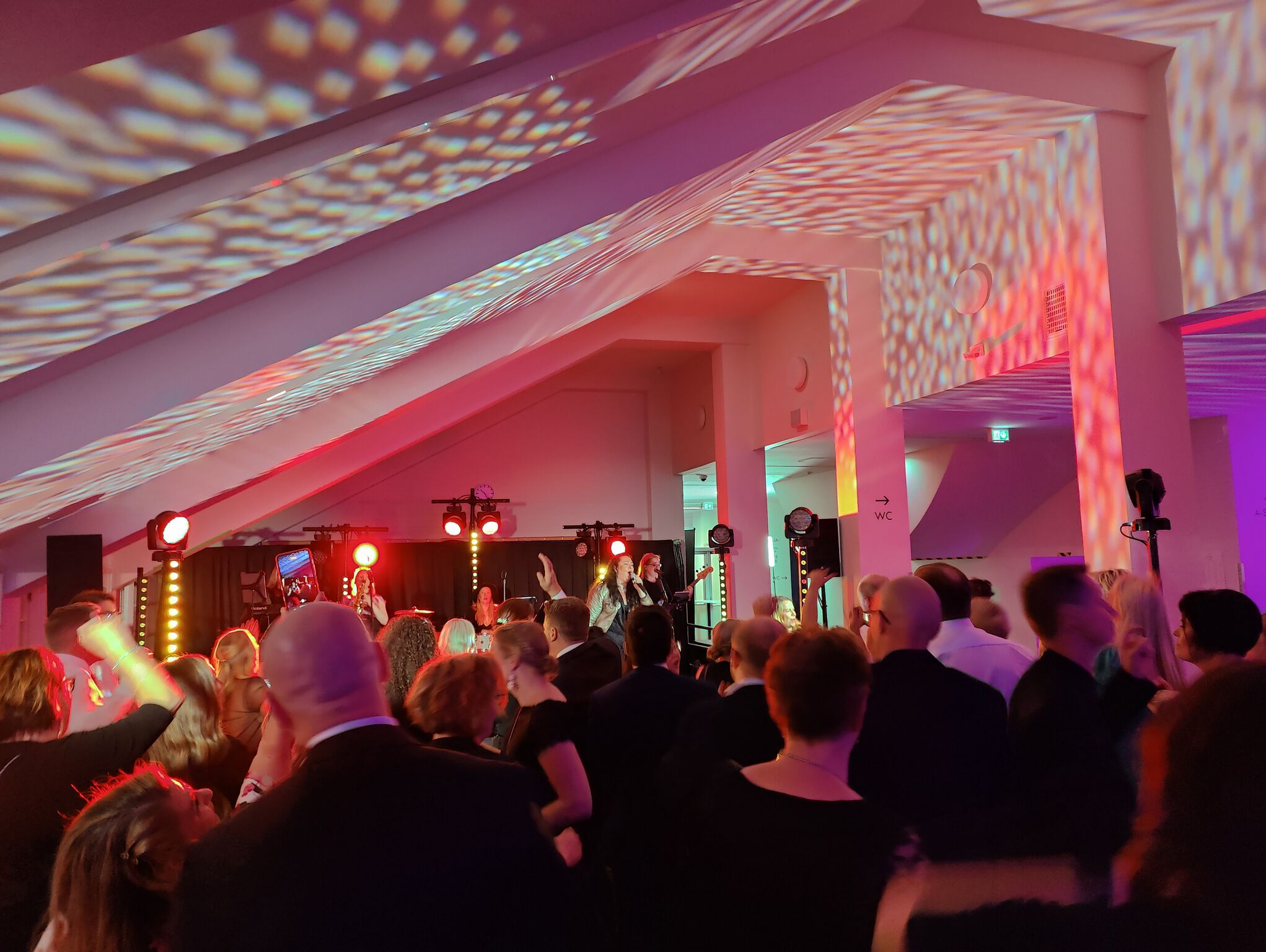
When allocating a budget for a corporate event, it is worth investing the most in the program and content, as they determine whether the event will be memorable for the participants. A high-quality performer, an interesting speaker program, or a well-scripted event will generate more value than an expensive venue or over-catering.
This does not mean that other areas can be neglected. Technology is critical: poor sound quality or malfunctioning equipment will ruin an otherwise successful event. When choosing a venue, a functional and atmospheric environment is often enough, not necessarily the most expensive one. Catering should be sized according to the nature of the event: at a customer event, the service communicates the company's level, but at an internal meeting, much more modest service is often sufficient.
A good starting point for budget allocation is to keep content and programming at around 30–40 percent of the total budget, space and technology at around 35–45 percent, and the rest for catering and other services. It is a good idea to set aside at least 10 percent as a buffer for unexpected expenses.
Where do hidden costs of a corporate event arise?
Hidden costs at a corporate event typically arise from expenses that you don't initially know how to include in your budget: overtime, additional services, transportation, permits, and last-minute changes. These costs can significantly increase your overall budget if you don't plan for them in advance.
The most common sources of hidden costs are:
- Additional technical services: The AV equipment listed on the premises does not always cover everything needed, and renting additional equipment on site is expensive.
- Personnel costs: The working hours of the organizers, builders, and demolition team may exceed estimates.
- Transportation and logistics: Transportation of props, equipment, or performers is easily left out of budget calculations.
- Permits and insurances: Outdoor events or larger occasions may require separate permits or event insurance.
- Change costs: Last-minute changes to the program, schedules, or number of participants almost invariably cause additional costs.
The best way to manage the risk of hidden costs is to go through the event plan in detail before signing contracts and set aside a clear reserve in the budget.
Is it worth outsourcing the organization of a corporate event or taking care of it yourself?
It is worth outsourcing the organization of a corporate event when the scope, technicality, or importance of the event is such that the time and expertise of your own personnel are not sufficient to ensure a high-quality end result. Organizing it yourself is best suited for small and recurring internal events.
The benefits of outsourcing are particularly tangible in three situations: when the event is large and complex, when it involves technical requirements, or when the failure of the event would have significant business consequences. A professional event agency brings with it ready-made networks, experiential know-how, and the ability to anticipate problems before they arise.
Organizing it yourself often seems cheaper, but hidden costs easily emerge: your own staff's time is money, and learning from mistakes is often expensive. Outsourcing does not mean losing control. A good event agency works in collaboration with the client and implements exactly the kind of event the client wants, according to their budget and wishes.
At MagnumEvents, we help companies with both comprehensive event planning and partial implementation, as needed. Decades of experience and thousands of annual assignments mean that we can realistically forecast costs and keep the event budget under control from start to finish.
Ask us for a quote for your event. Tell us the date, location, number of participants and budget, and we will build the right package for you. We implement events turnkey or as partial implementations, always with high quality and personal touch.