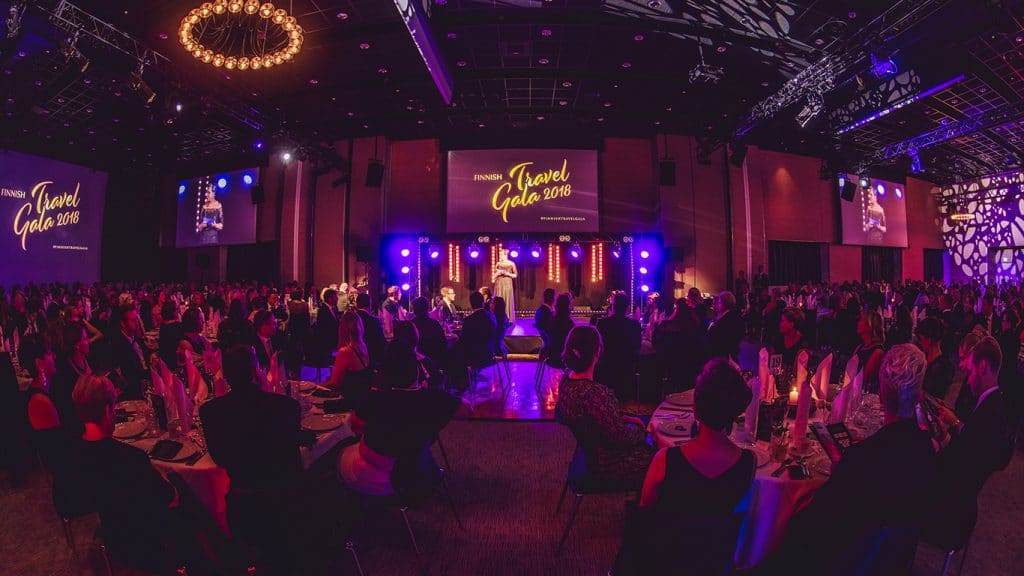
Organizing a sporting event and a cultural event differ primarily in terms of technical requirements, target audience expectations, and regulatory obligations. Sport focuses on competition conditions, safety arrangements, and physical space, while culture is built around experientiality, sound, light, and presentation. In this article, we will go over the most important practical differences so that you know what to expect when planning each type of event.
What are the practical differences between organizing a sporting event and a cultural event?
Organizing a sporting event focuses on the functionality of the competition area or field, results services, participant registration and security personnel. Organizing a cultural event, on the other hand, emphasizes staging, construction of the performance area, sound and program content. Both require careful logistics, but the priorities are in different order.
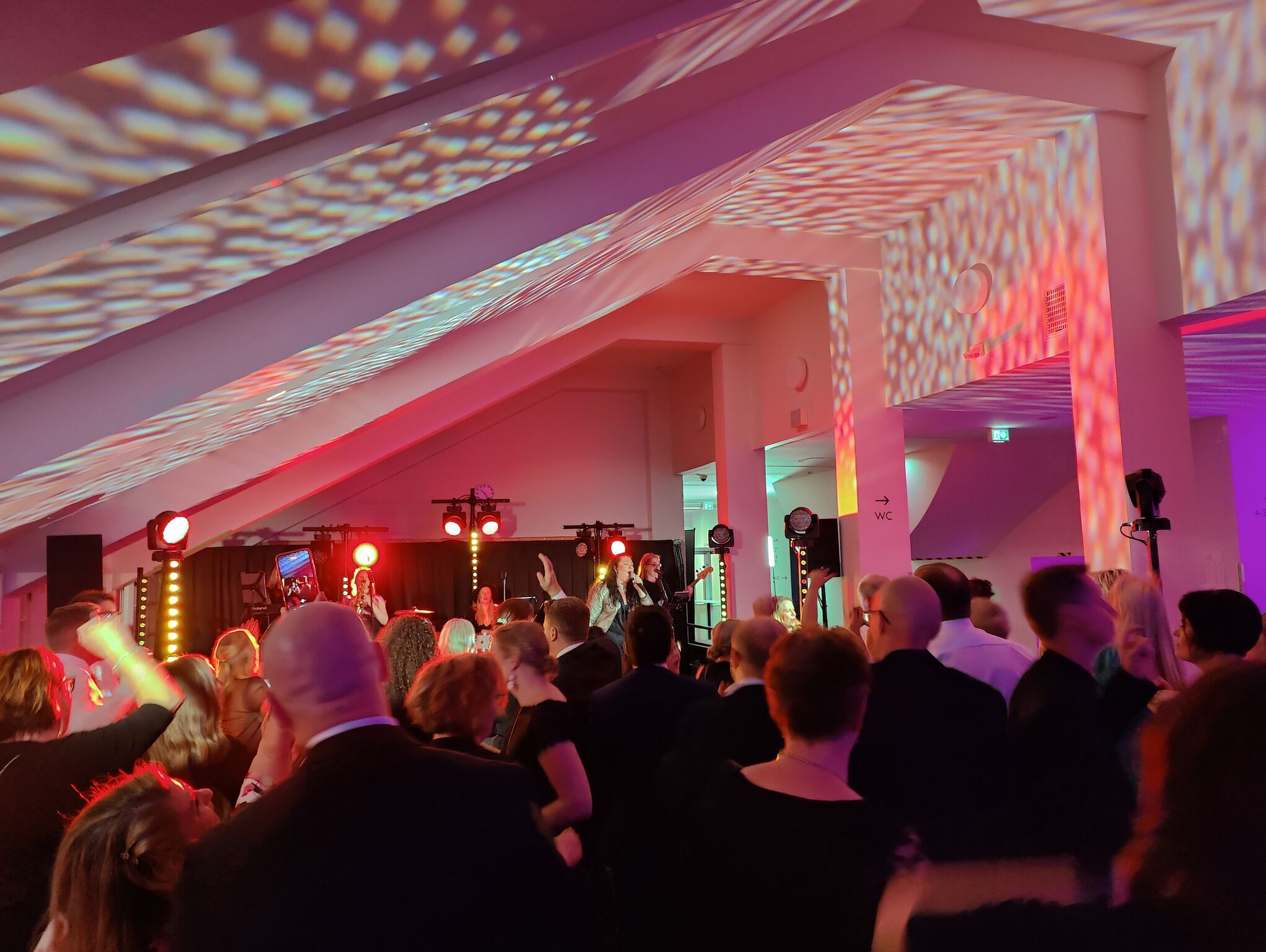
In a sporting event, the scheduling is strict and often tied to competition rules or the guidelines of the sports association. The field or track must be designed to exact measurements, and the safety of the participants is a priority. In a cultural event, on the other hand, the dramaturgy of the program and the audience experience guide all solutions, from stage arrangements to catering points. A festival or concert lives on its atmosphere, while a sports competition lives on its performances.
However, in terms of practical arrangements, both have common factors: sufficient sanitary facilities, clear signage, first aid readiness, and functional traffic and parking arrangements. In these basic elements, the size of the event and the number of spectators are more decisive than the type of event itself.
How does the target group influence the planning of a sporting and cultural event?
The target group determines almost everything in event planning. A sporting event is often attended by active enthusiasts or competitors who expect a smooth competition process and clear information. The audience of a cultural event is looking for an experience, entertainment and often also a social experience, so atmosphere and visuals take priority.
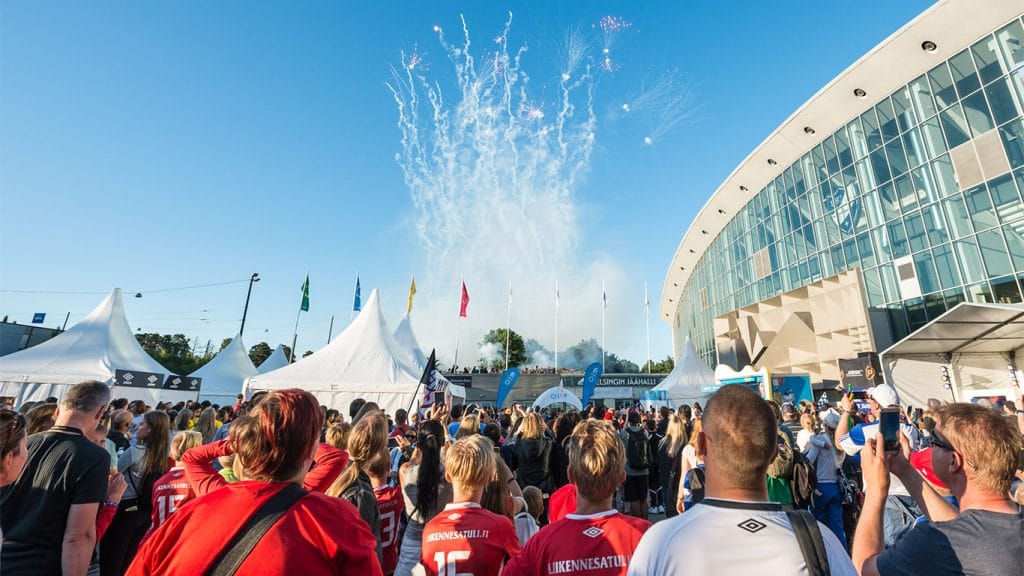
At a sporting event, the target audience can be divided into two groups: the competitors themselves and their spectators. Competitors' needs are related to warm-up facilities, changing rooms and competition conditions, while spectators value good viewing areas and catering. At a cultural event, the audience is usually more homogeneous, but their expectations are often higher in terms of experience.
In corporate events, knowing the target group is even more important. Is it a staff event, a customer event, or an event aimed at the partner network? The answer guides all choices, from program content to venue selection.
Which one requires more technical expertise to organize?
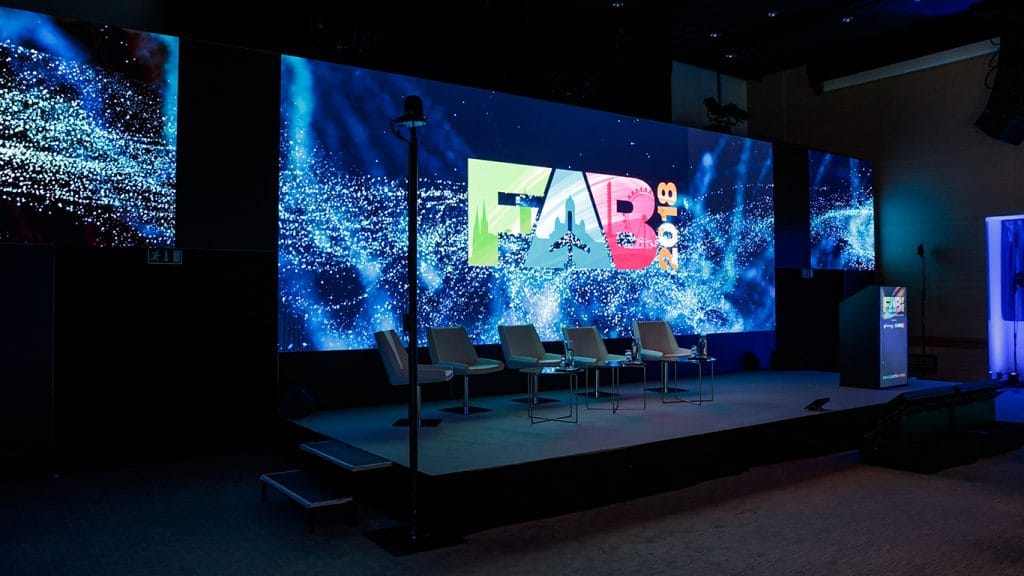
Organizing a cultural event typically requires more technical expertise in terms of sound, lighting and stage construction. A concert, theater performance or festival requires professional AV technology, without which the entire experience suffers. At a sporting event, the technical requirements are often simpler, but results services and timing may require specialized expertise.
However, in a major sporting event, the technical challenges grow rapidly: live monitoring, score displays, announcements and possible streaming require an experienced technical team. Similarly, in outdoor sporting events, weather conditions place their own demands on the equipment and structures.
In both types of events, technical failures are immediately visible to the audience. Therefore, technical planning and preparedness for disruptions are equally important in event production, regardless of whether it is a sporting or cultural event.
What permits and regulatory requirements apply to each type of event?
Both sporting and cultural events require a public event notification to the police if the event is public and involves a significant number of people. In addition, permission from the landowner or municipality for the use of the area and approval of the safety plan by the rescue service are often required.
Special requirements for a sporting event
In a competitive sporting event, the rules of the sports association may impose additional requirements on the competition area, jury and insurance. In road races or cross-country events, approval from the authorities responsible for traffic arrangements is also required. Serving alcohol requires a liquor license, which applies to both types of events.
Special requirements for a cultural event
Performing music publicly at a cultural event requires permits from Teosto and Gramex if copyrighted music is played at the event. At outdoor events, noise limits and the obligation to notify environmental authorities may become relevant. The safety of stage structures must be checked and documented appropriately.
When is it worth using an event agency to organize a sporting or cultural event?
Using an event agency is always worthwhile when the size, schedule pressure or technical requirements of the event exceed the resources of your own organization. The more moving parts, the greater the risk of errors without professional coordination. An event agency brings with it ready-made networks, experience-based know-how and the ability to anticipate problems before they arise.
In sporting events, the value of an event agency is particularly evident in the management of logistics, security planning and permit processes. In cultural events, the greatest benefit is in technical implementation, performer acquisition and stage program construction. In both types of events, professional event organization frees the client to focus on their own core task.
At MagnumEvents, we carry out hundreds of event assignments for companies all over Finland every year. We handle the arrangements of both sporting and cultural events on a turnkey basis or as a partial implementation, depending on what you need. Ask us for a quote for your event and tell us the date, location, number of participants and budget, and together we will build an event that will be remembered.